



3 Breathing Techniques to Relieve Anxiety
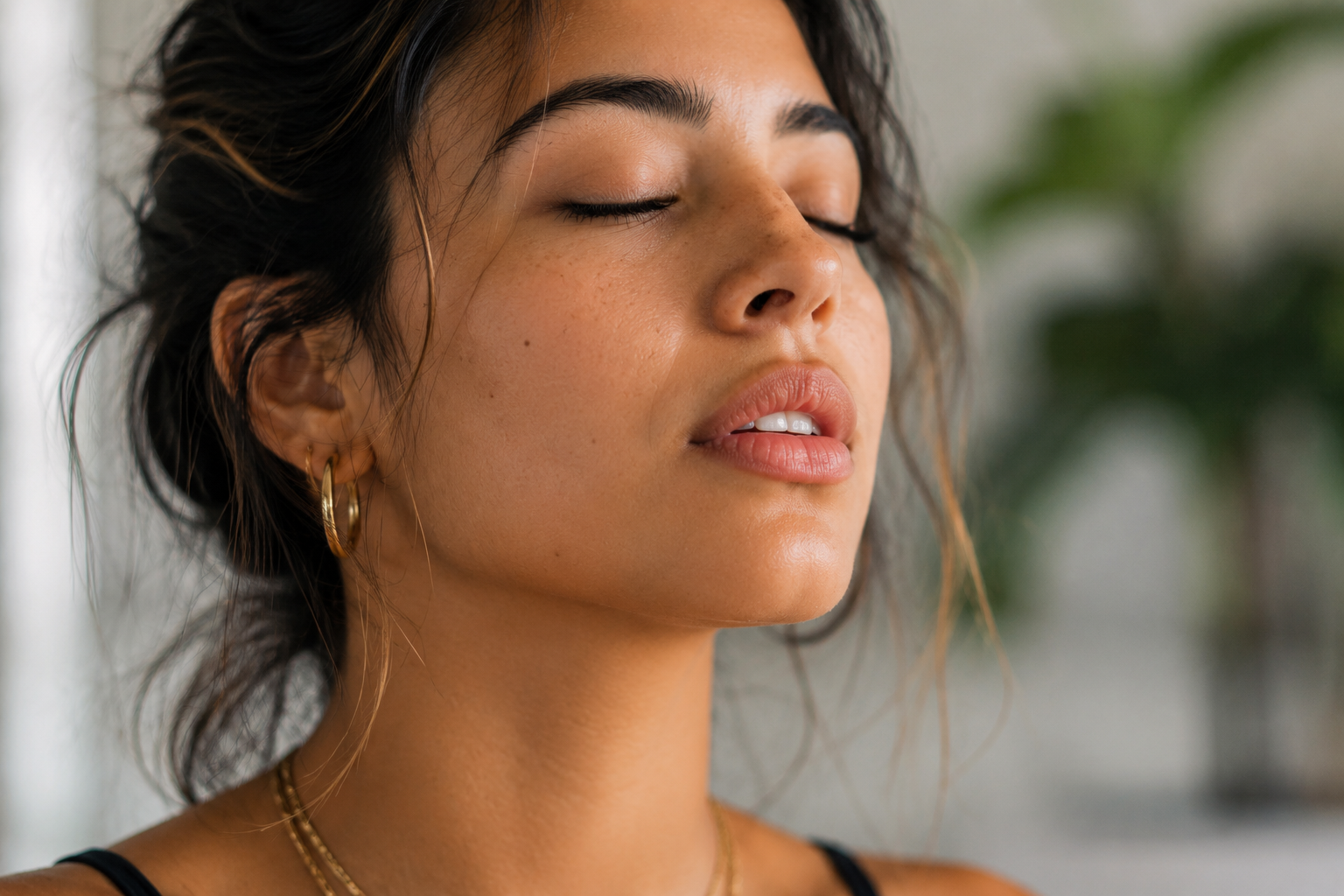
When anxiety rises, the body often shifts into a fight-or-flight state: heart rate speeds up, breathing becomes shallow and rapid, and the mind races.
These three techniques are simple, free, and can be done almost anywhere.
1. Box Breathing
It is widely used by athletes, military personnel, and people managing anxiety because of its steady, structured rhythm.
It creates a sense of control and quickly settles the nervous system.
How to do it:
- Sit or stand comfortably with a straight spine.
- Exhale fully through your mouth to empty the lungs.
- Inhale slowly through your nose for a count of 4.
- Hold the breath for a count of 4.
- Exhale slowly through your mouth for a count of 4.
- Hold the empty lungs for a count of 4.
- Repeat the cycle for 3–5 minutes (or longer if it feels good).
Visualize tracing the four sides of a square with each phase. If a count of 4 feels too long or short, adjust to a comfortable number (such as 3 or 5) while keeping all sides equal.
Best for: Acute stress, racing thoughts, or needing quick grounding before a meeting or difficult conversation.
2. 4-7-8 Breathing
Popularized by Dr. Andrew Weil, the 4-7-8 technique emphasizes a longer exhale, which strongly stimulates the calming response.
Many people find it especially helpful for winding down at night or interrupting panic-like feelings.
How to do it:
- Place the tip of your tongue against the ridge of tissue just behind your upper front teeth (keep it there throughout).
- Exhale completely through your mouth, making a soft whoosh sound.
- Close your mouth and inhale quietly through your nose for a count of 4.
- Hold your breath for a count of 7.
- Exhale completely through your mouth (whoosh sound) for a count of 8.
- This is one full cycle. Repeat for a total of 4 cycles when starting out. You can gradually increase to 8 cycles.
Keep the ratio consistent (inhale 4 – hold 7 – exhale 8) even if you need to slow the overall pace.
Best for: Evening wind-down, sleep difficulties linked to anxiety, or moments when you feel overwhelmed and need a stronger calming effect.
3. Physiological Sigh (or Cyclic Sighing)
This technique is based on a natural pattern the body uses to reset breathing during stress or crying.
Research has shown that a few minutes of cyclic sighing can reduce anxiety more effectively than some other common breath practices for many people.
How to do it:
- Inhale through your nose.
- Without exhaling, take a second, shorter inhale through the nose to fully expand the lungs.
- Exhale slowly and fully through the mouth (or nose) in a long, relaxed sigh.
- Repeat for 1–5 minutes, focusing on the double inhale followed by a complete, unhurried exhale.
You can also do a single physiological sigh in the moment: one deep inhale, a quick top-up inhale, then a long, slow exhale. This works well as an “emergency reset.”
Best for: Rapid relief during rising anxiety, after a stressful event, or when you notice shallow chest breathing.
Tips for Success
- Start with just 1–2 minutes and build up. Consistency matters more than length.
- Practice daily when calm so the techniques feel familiar under stress.
- Pair breathing with a quiet environment or soft background sounds if it helps.
- If dizziness occurs, return to normal breathing and try a gentler pace next time.
- Combine with other supports such as movement, sleep, or professional care when needed.
Final Vibras
Breathing techniques are powerful tools, but they work best as part of a broader approach. If anxiety feels frequent, intense, or hard to manage on your own, speaking with a healthcare professional or therapist can provide additional strategies and support.
With regular practice, these three methods can become reliable ways to reclaim calm—one deliberate breath at a time.
SOURCES:
“How Box Breathing Can Help You Destress.”– Cleveland Clinic.
“4-7-8 Breathing: Health Benefits & Demonstration.”- Andrew Weil, M.D.
“Brief structured respiration practices enhance mood and reduce physiological arousal.”– Cell Reports Medicine.