


It Takes a Village: Latina Moms Share The Motherhood Lessons They Weren’t Told
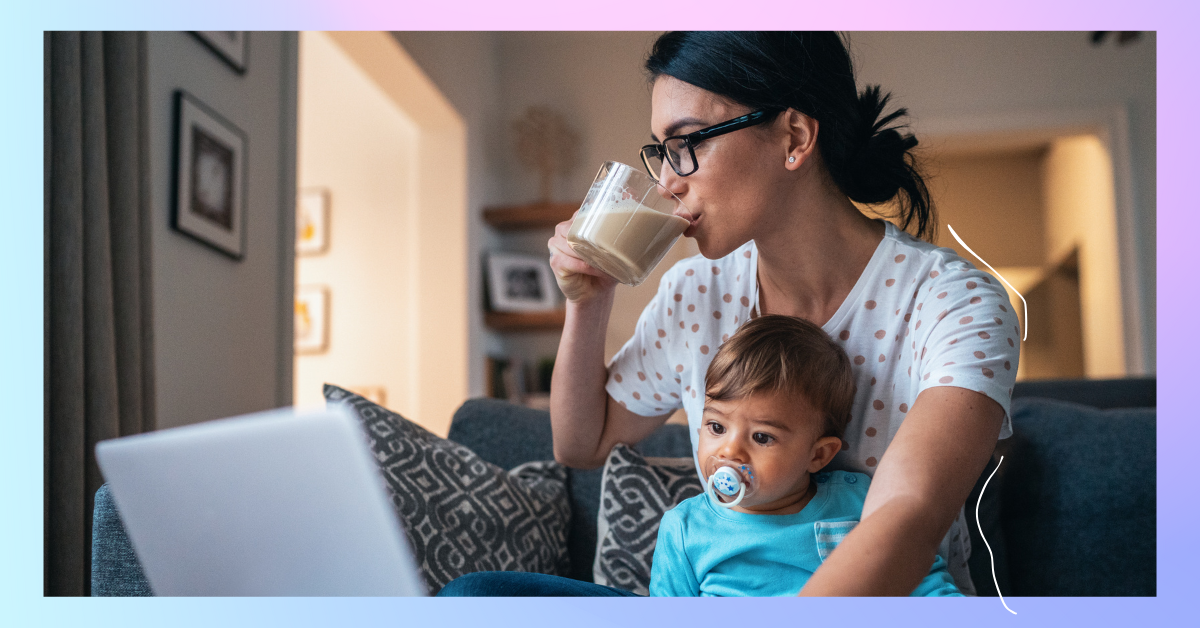
Motherhood is a profound metamorphosis that reshapes every facet of a woman’s existence. It impacts daily routines, personal connections and the mental and physical state of a woman. It is, undeniably, no small feat.
Pregnancy alone is a testament to the body’s incredible capacity for change, stretching and adapting in ways previously unimagined. Postpartum recovery, often overlooked in its intensity, brings its own set of challenges, from hormonal fluctuations to the demanding realities of breastfeeding and sleepless nights.
Beyond the physical, motherhood orchestrates a dramatic reordering of one’s life. Perhaps one of the most challenging, yet ultimately rewarding, aspects of motherhood is its impact on relationships. So how does one navigate all these changes? Community is one way.
We spoke to Latina mothers across the United States about what they wish they knew about motherhood before they had children of their own. What they learned challenged their expectations and awakened new boundaries in their relationships.
“I wish I had known just how much motherhood would challenge my sense of self.”
Jasdomin Santana, a 37-year-old Dominican author based in Delaware, struggled with postpartum depression after her first child.
Her expectations of an immediate and magical bond with her baby were shattered by the feelings of isolation and anxiety that consumed her.
“It’s not just the sleepless nights or the physical toll, although those are real. It’s how deeply it stretches you emotionally, how much you question yourself, and how easy it is to lose parts of who you are while trying to give your kids everything,” she says. “I wish someone had told me that protecting my identity and my mental health would be just as important as caring for my children.”
She hopes mothers ask for help, set boundaries, and make space for themselves during that time of great, overwhelming change.
“It’s okay for you as a parent to make mistakes, too.”
Yefri Areli, a 30-year-old Salvadoran-and-Guatemalan mom in California, says that in her culture, mothers feel as though major sacrifice is a part of this new chapter of life.
It’s a tall order to live up to, and she felt it didn’t leave any room for mistakes or uncertainty. She wants to break the cycle of shame and hopes mothers give themselves grace in difficult moments. She’s still learning, she says, balancing life’s challenges and changes as she goes.
“You’re building a new person from scratch. And even though you’re older, you too start from scratch,” she says. “Just [like] how your child makes mistakes because this is their first time on earth. It’s okay for you as a parent to make mistakes, too. It’s your first time being a parent. You’re doing the best you can.”
“When you become a mother, everyone has something to say about the way things are done.”
Jessy Mendoza, a 37-year-old Nicaraguan news producer based in New Jersey, was catapulted into adulthood when she became a young single mother at the age of 18. When she saw others her age move forward in their career and college, or celebrate their 21st birthday, she grew resentful of her situation.
This compounded into the external pressures about what others believed she should be doing as a mother. Now, as her daughters are growing older, she wishes she had trusted her own instincts from the beginning and ignored the toxic commentary that made motherhood and her insecurities more challenging.
“I’ve learned how crucial it is to understand when and how to ask for help.”
Jessica Cuevas, a 36-year-old mom currently preparing to move to Mexico, says that in her first and second year of motherhood, she had to develop the ability to lean on those around her when things got hard.
Growing up, Cuevas’ mother was on top of everything all the time, from doing the laundry to scheduling doctor’s appointments. She didn’t realize at the time just how much more detail and energy would go into navigating everyday life when you have a child.
Asking for help got her through her first years of motherhood.
“I realized I was trying to carry everything alone and found myself becoming the “angry mom” I didn’t want to be,” says Cuevas. “Those times when I was dysregulated, made me recognize that I needed to build my support system more intentionally, whether that meant leaning on my husband more or reaching out to family and friends.”
“I wish I had known just how deeply motherhood would shift my entire perspective on life.”
Ashley Arinez, a 36-year-old Georgia mom, completely shifted her priorities when she became a mom.
The professional career that she spent building for more than 10 years was no longer her main focus. Arinez is the first-generation daughter of Mexican immigrants was also the first to graduate from college in her family. By prioritizing her children over her career, she felt as if she was abandoning her family’s dreams.
“But in the end, I learned to put aside those expectations and fully embrace what I wanted and needed,” says Arinez.
“No one prepares you for the most random things that happen to your body and hormones after pregnancy.”
Johnette Cruz, a 42-year-old Puerto Rican news anchor in Indiana, discovered that she had an immune disorder after her pregnancy caused her to fall incredibly ill.
She wishes she were more prepared for potential health challenges and would have taken precautions to ensure her health was in a better place.
“Me carrying my child and then knowing how to handle my body afterwards taught me to be grateful for what God gives you,” she says. “I can no longer have children and I barely was able to carry the one I have. I am so blessed that I was able to have one son and to experience motherhood.”