


7 Reasons Dancing Is Seriously Good for Your Health
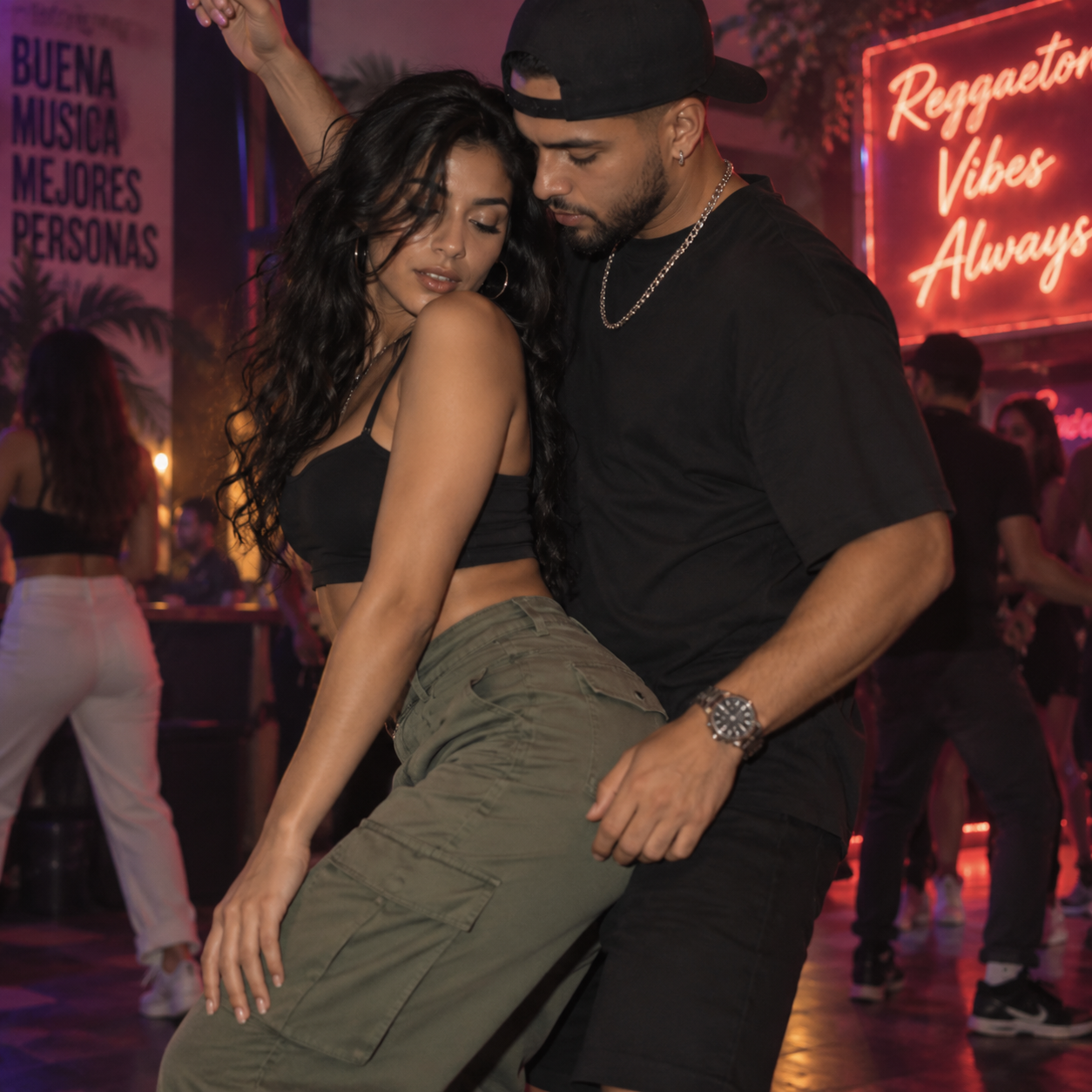
For many Latinos, dancing isn’t something we have to schedule into our day. It’s already there.
Salsa at a wedding. Bachata at a birthday party. Cumbia while you’re cleaning the house. Merengue when that one song comes on and suddenly your tía is pulling everyone onto the dance floor.
But here’s the best part: all that dancing can actually be good for your health.
Here are seven reasons to turn up the música.
1. Dancing Gets Your Heart Working
Depending on the intensity, dancing can function as aerobic exercise. A fast salsa, merengue or reggaetón session gets your body moving, raises your heart rate and can contribute to the weekly physical activity recommended for adults.
And you don’t necessarily need a dance class.
Put on a playlist at home and dance for 20 or 30 minutes. Your living room counts.
2. It Can Help Build Stamina
Have you ever danced several songs in a row and realized you’re suddenly sweating?
Exactly.
Regular dancing can challenge your cardiovascular endurance, particularly when you’re continuously moving. Over time, being physically active can make everyday activities—from taking the stairs to walking around the neighborhood—feel easier.
Healthy Vibras tip: Start with three songs. Eventually, make it five. Congratulations, you basically created a cardio playlist.
3. Your Brain Has to Dance Too
Dancing isn’t only about moving your body.
You’re remembering steps, following a rhythm, coordinating your feet and arms, reacting to a partner and sometimes improvising—all at once.
That combination makes dancing an unusually interesting form of mental stimulation. Research has explored dance for its potential benefits involving cognition, memory and executive function, particularly as we age.
Learning a new salsa combination may feel like entertainment, but your brain is working.
4. It Helps With Balance and Coordination
Think about what happens during a simple turn.
Your brain needs to understand where your body is in space while your muscles adjust to keep you upright.
Dance can help train balance, coordination, agility and body awareness. Those abilities become especially important as we get older because maintaining mobility and balance can help us stay independent.
In other words: learning to move well today may help you keep moving tomorrow.
5. Dancing Can Lift Your Mood
There’s a reason a favorite song can completely change the energy in a room.
Physical activity is associated with mental-health benefits, and dancing adds another ingredient: music.
For many Hispanics, certain songs also carry powerful memories.
Sometimes wellness looks less like meditation in total silence and more like blasting Celia Cruz in the kitchen.
6. It’s Exercise That Comes With Community
This one matters.
Dance is often social. You dance with your partner, your friends, your parents, your abuelos—or the random cousin you haven’t seen since the last quinceañera.
Social connection itself is an important part of health and well-being. Dancing gives us an opportunity to combine movement with human connection, something a treadmill can’t always offer.
For Latino communities where music, family gatherings and celebrations are already deeply intertwined, dance can be an especially natural way to stay active without separating “fitness” from everyday life.
7. You Might Actually Stick With It
The “best” exercise isn’t necessarily the trendiest workout.
It’s movement you’ll keep doing.
That’s where dancing has a huge advantage: it doesn’t always feel like exercise.
There’s no requirement for a gym membership, expensive equipment or matching workout set. You need some space, music you love and permission to move however you want.
Salsa counts.
Bachata counts.
Cumbia counts.
Reggaetón counts.
Dancing around the kitchen while making arroz counts too.
How Much Dancing Do You Need?
U.S. physical activity guidelines recommend that most adults aim for at least 150 minutes of moderate-intensity aerobic activity per week, or 75 minutes of vigorous activity, plus muscle-strengthening activities on at least two days.
Dancing can contribute toward that aerobic activity when you’re moving at sufficient intensity.
A simple test: if you’re breathing harder but can still carry on a conversation, you’re probably getting a meaningful moderate-intensity workout.
You don’t have to do it all at once, either. A few songs here and there add up.
Final Vibras
Our cultures already gave us something incredibly valuable: a way of moving that doesn’t feel like a chore.
So maybe improving your health doesn’t always mean finding another workout.
Maybe sometimes it means going back to something we’ve been doing for generations.
Put on the salsa.
Move the furniture.
Grab your mamá.
And dance.
Your corazón might thank you for it.
