


Healthy Hispanic Holiday Hacks for Nochebuena, Navidad y Reyes Magos
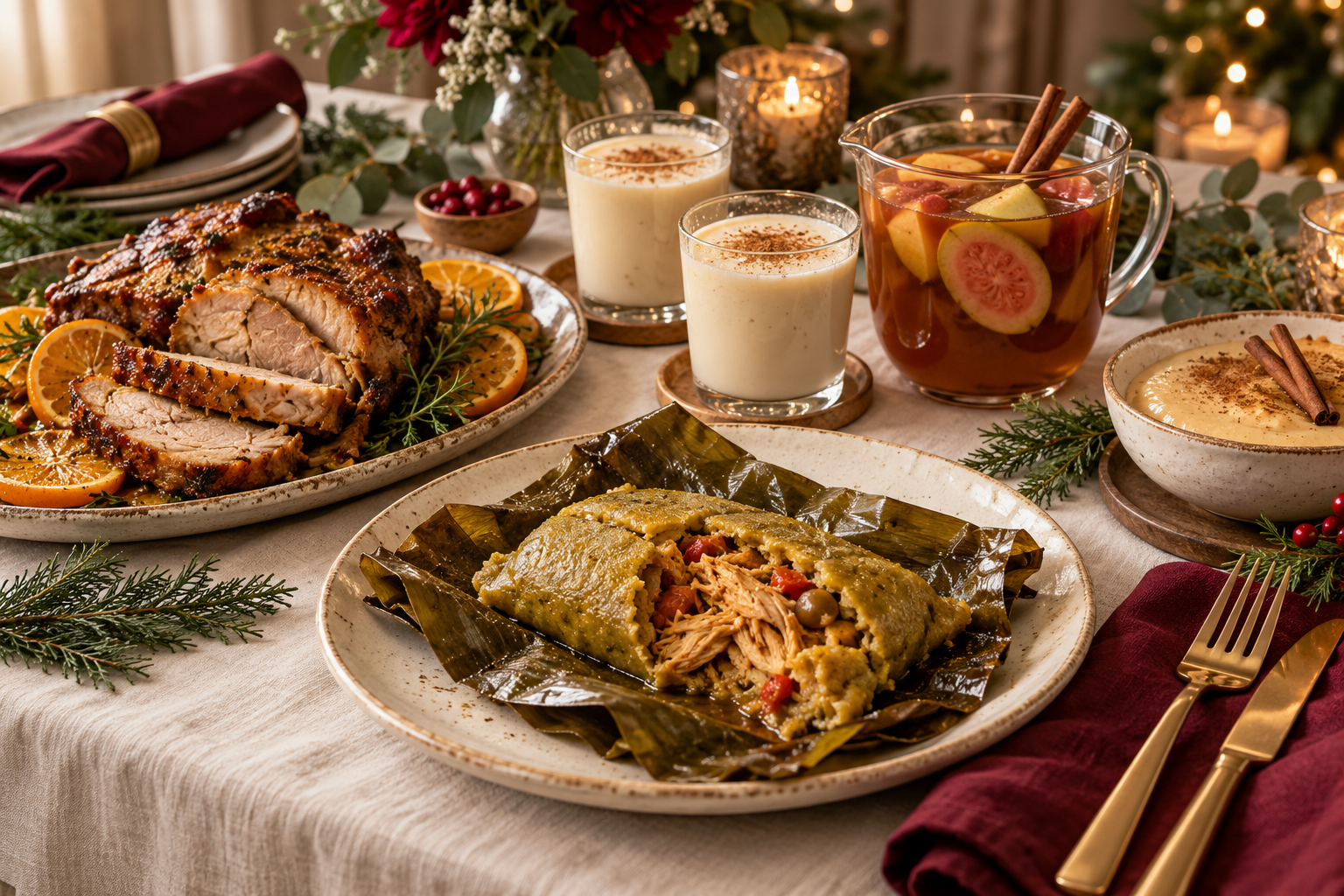
It’s time. Small changes to pasteles, tamales, coquito and other holiday favorites can reduce added sugar, sodium or saturated fat.
Christmas celebrations vary across Latin America, Spain and Latino communities in the United States, and from one family’s kitchen to another. In Puerto Rico, for example, pasteles, lechón and coquito are holiday staples. In Colombia, natilla and buñuelos are a beloved Christmas pairing.
How can you make traditional Hispanic holiday dishes healthier?
Start with one change that fits the recipe. Lower-sodium broth can replace regular broth without changing the dish’s structure. Leaner meat can reduce the fat in a filling. Using less sweetened condensed milk can reduce the added sugar in a drink.
The American Heart Association recommends substitutions that reduce sodium, added sugars and saturated fat, including using unsaturated vegetable oils in place of butter and choosing lower-fat dairy when appropriate.
Puerto Rican pasteles: adjust the filling and seasoning
Pasteles already contain traditional ingredients worth keeping, including green banana or yuca masa and aromatic sofrito.
For a lighter adaptation, choose leaner pork or skinless chicken for the filling, measure the oil and use lower-sodium broth or seasoning. Taste before adding salt, especially when the recipe includes olives or other salty ingredients.
Keep the leaf wrapping and familiar seasonings that make the dish feel like Christmas.
Pernil and lechón asado: keep the mojo, trim some fat
For Nochebuena pork, preserve the garlic, oregano and citrus flavors. Trim accessible fat before cooking and remove visible fat when serving.
If crispy skin is your favorite part, enjoy a small piece alongside the meat. Add vegetables or a cabbage-and-citrus salad to the plate for freshness and crunch.
Venezuelan hallacas: make small changes to the guiso
Choose leaner cuts of meat for the filling and lower-sodium broth. Measure added fat rather than pouring freely, and account for the salt contributed by olives and capers before seasoning.
If changing the fat in the masa, use a tested recipe. The amount affects texture and how easily the hallaca unwraps.
Mexican Christmas tamales: use a tested masa adaptation
A recipe developed with less lard or a partial substitution of unsaturated vegetable oil can help adjust the fat profile. Avoid assuming that every recipe will work with a one-for-one replacement.
Chicken with salsa verde, beans or vegetables can provide flavorful filling options. The overall nutritional difference still depends on the masa, filling and portion.
Bacalao a la vizcaína: pay attention to sodium
Prepare salt cod according to the package’s soaking and water-changing instructions. Choose no-salt-added tomatoes and taste the finished sauce before adding salt.
Olives and capers contribute sodium, too. Soaking reduces salt in the fish, but it does not guarantee that the finished dish is low in sodium.
How can you make holiday drinks with less added sugar?
Coquito: reduce condensed milk gradually
Replace part of the sweetened condensed milk with unsweetened evaporated milk, then adjust to taste. Cinnamon, cloves and vanilla can help preserve the festive flavor.
This produces a less-sweet adaptation, although coconut ingredients still contribute saturated fat. Check labels: coconut milk, cream of coconut and coconut cream have different sugar and fat profiles.
Serve in small glasses. Omitting rum also makes an alcohol-free version.
Ponche navideño: let the fruit lead
Keep the guava, tejocotes, apples and cinnamon, depending on your family’s recipe. Add less piloncillo initially, simmer and taste before adding more.
Piloncillo, honey and agave still count as added sugars. Changing the sweetener alone does not necessarily reduce the sugar in the drink.
What are healthier ways to enjoy Hispanic holiday desserts?
| Holiday sweet | Practical adjustment |
|---|---|
| Mexican buñuelos | Make smaller pieces and use a lighter coating of sugar or less syrup. A baked adaptation will have a different texture. |
| Colombian buñuelos | Make smaller cheese fritters using a tested recipe; changing the cheese or cooking method can affect their structure. |
| Colombian natilla | Try lower-fat milk and a modest reduction in panela or sugar while keeping the cinnamon and cloves. |
| Spanish turrón | Serve thin slices alongside fresh fruit. Compare labels rather than assuming “sugar-free” means more nutritious overall. |
| Rosca or roscón de Reyes | Choose an unfilled version if available, use a lighter sugar topping when baking and serve smaller slices. |
Frequently asked questions
Do traditional holiday foods need to be replaced?
No. You can keep a treasured recipe exactly as your family makes it and enjoy a smaller portion. You can also add vegetables, fruit or beans elsewhere in the meal.
Is baking always healthier than frying?
Baking with less added oil can reduce the amount of fat used. It does not automatically make a food low in sugar, sodium or calories, and some traditional foods require a specially developed recipe to bake successfully.
What is the easiest place to start?
Choose one adjustment: less sugar in ponche, lower-sodium broth in a filling or a smaller serving of dessert. Holiday food carries memories, culture and pleasure. There is room for all three at a balanced table.