

TikTok Just Discovered Magnesium But We’ve Been Getting It From Cultural Foods For Generations
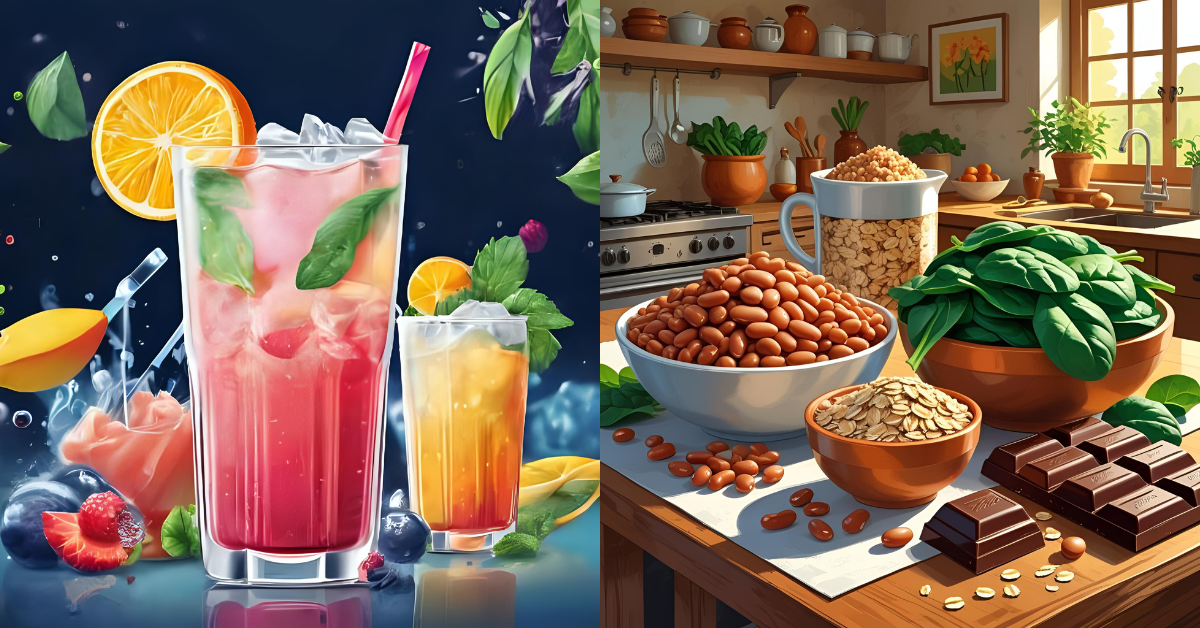
Before TikTok creators made magnesium trendy by uploading hundreds of magnesium mocktail videos, our tia’s, abuelas and mamis were already serving up magnesium-rich goodness. It wasn’t in a powder or fancy packaging; it was in our cocinas, our sopas, and the everyday meals and remedies passed down for generations. Science might just be catching up, but our communities have been indulging in its benefits.
I remember being at my Tía Sara’s house after a long day of school, stressed, tired, and a little cranky. She’d served me a warm bowl of frijoles de la olla with white rice and a plátano maduro on the side. By the evening, she’d make a batch of té de manzanilla. “This will calm you down,” she’d say with a wink. And it always did. Turns out, there’s a reason for that.
For many of us navigating two cultures, multiple jobs, and family responsibilities, magnesium sounds like something we could all use more of. The thing is we’ve already been consuming it, just maybe not from a fancy supplement bottle or TikTok “sleepy girl mocktail.”
Let’s give some well-deserved amor to the Latinx foods that have been delivering magnesium con cariño, even if they don’t come with a label.
Let’s start with frijoles.
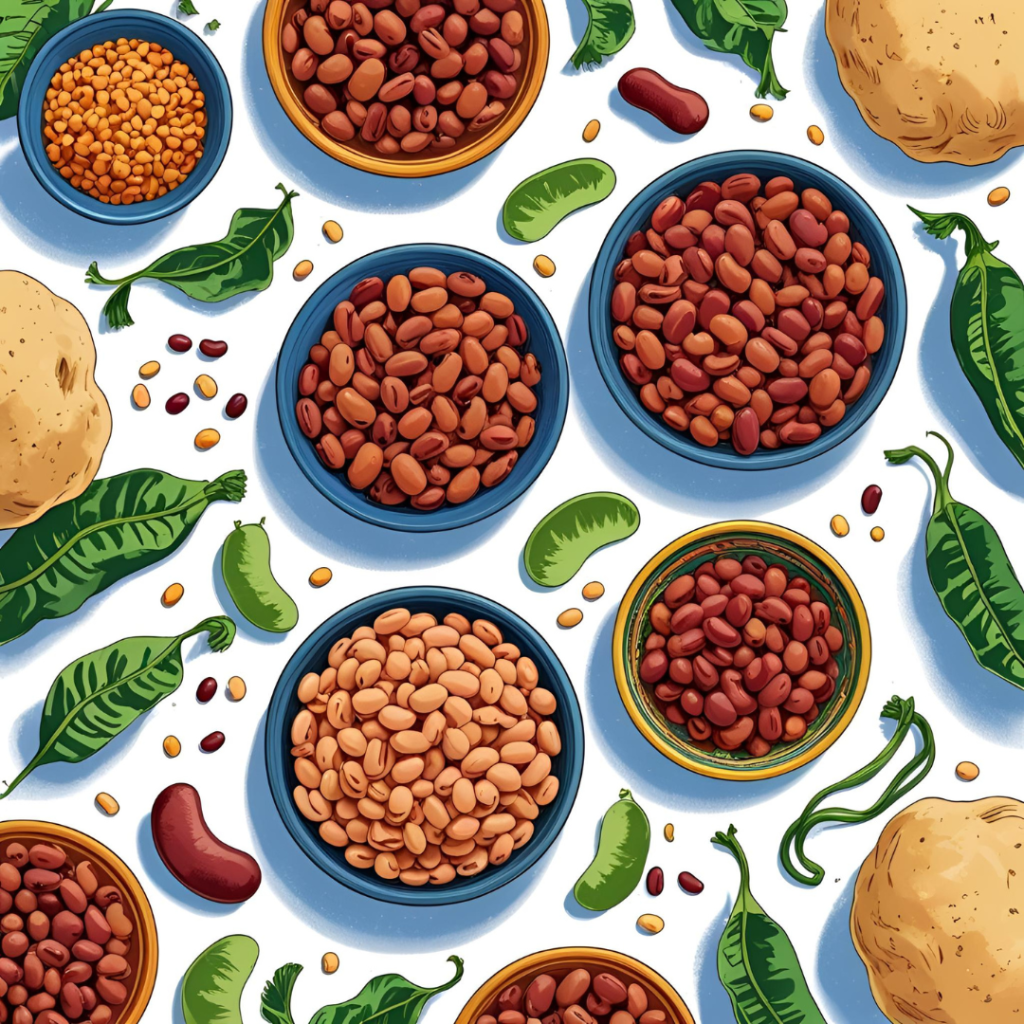
I love pinto and Peruvian beans, they’re more than just fiber and protein. They’re grounding, filling, and full of that stress-soothing mineral we didn’t even know we needed. Growing up, Sundays were for carne asada, which meant fresh frijoles de la olla were simmering, ready to be ladled into bowls with arroz and a squeeze of lime. And you know what goes perfectly with all that? Avocado y Plátanos. We’ve been eating them with our beans and rice since forever. Two of my personal go-to’s are guacamole y tostones with a sprinkle of garlic salt and lime. Satisfying and secretly loaded with magnesium.
Then there’s avena, the ultimate cozy breakfast.

My abuelita made it thick and creamy with canela, a little vanilla, and evaporated milk, basically a hug in a mug. Let’s not forget the pepitas. Abuelita always kept a little container on the kitchen counter, roasted, salted, and ready to snack on. They were crunchy and addictive, and I never questioned why they made me feel full and focused. These days I’ll throw them on salads, oatmeal, or, no shame here, grab a slice of the pumpkin & pepita loaf from Starbucks.
Espinaca also often finds its way into our comida.
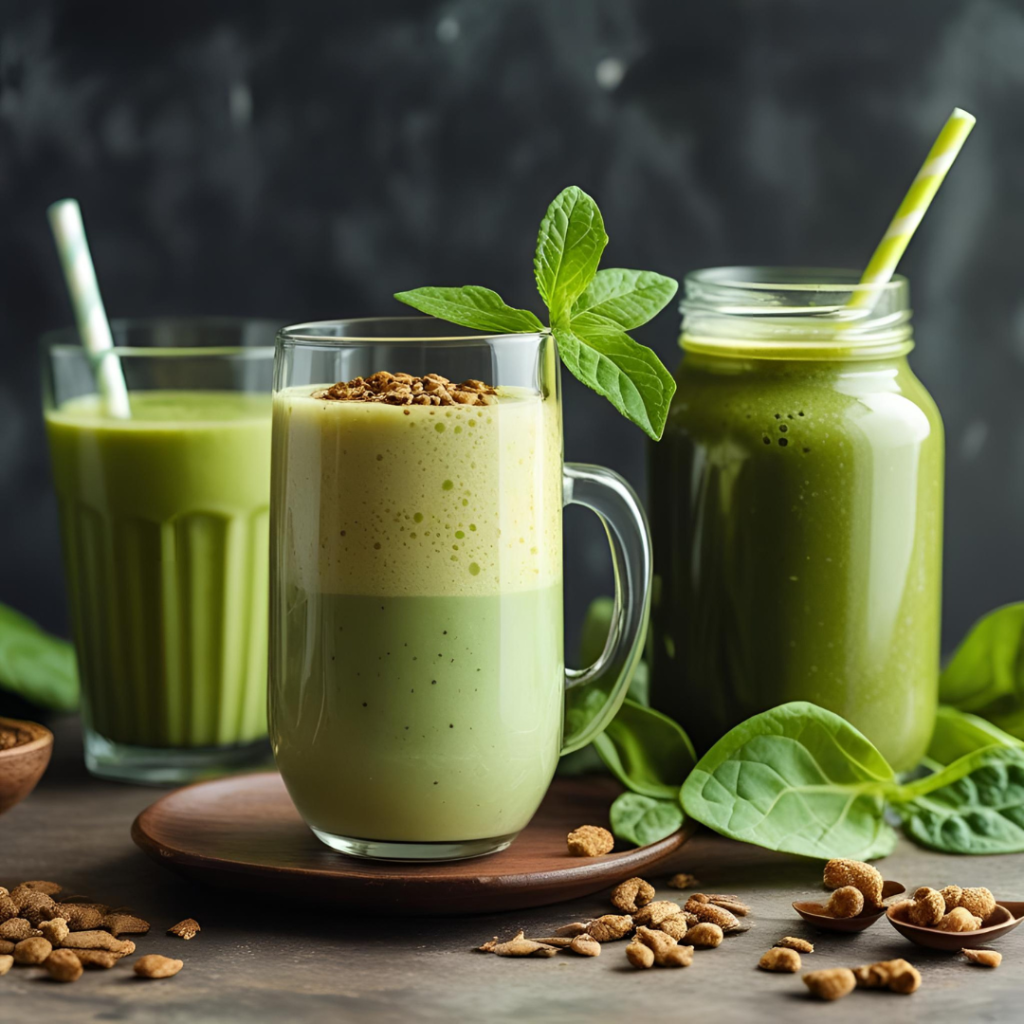
Whether in a smoothie, salad, or sandwich, it’s one of those sneaky little greens that shows up without making a big fuss, just doing its job, adding flavor, nutrients, and yes, more magnesium.
And finally, dark chocolate.

Look, no one needs an excuse to eat more chocolate, pero just in case you want one, dark chocolate is packed with magnesium. My tía keeps a stash of it in the freezer “for emergencies,” and honestly? She’s onto something.
So no, magnesium didn’t just show up on TikTok. It’s been sitting at our kitchen tables, tucked into our recetas, and woven into our memories for generations. So the next time someone says magnesium is “the new wellness essential,” hit ‘em with that side-eye and say, we’ve been knowing.
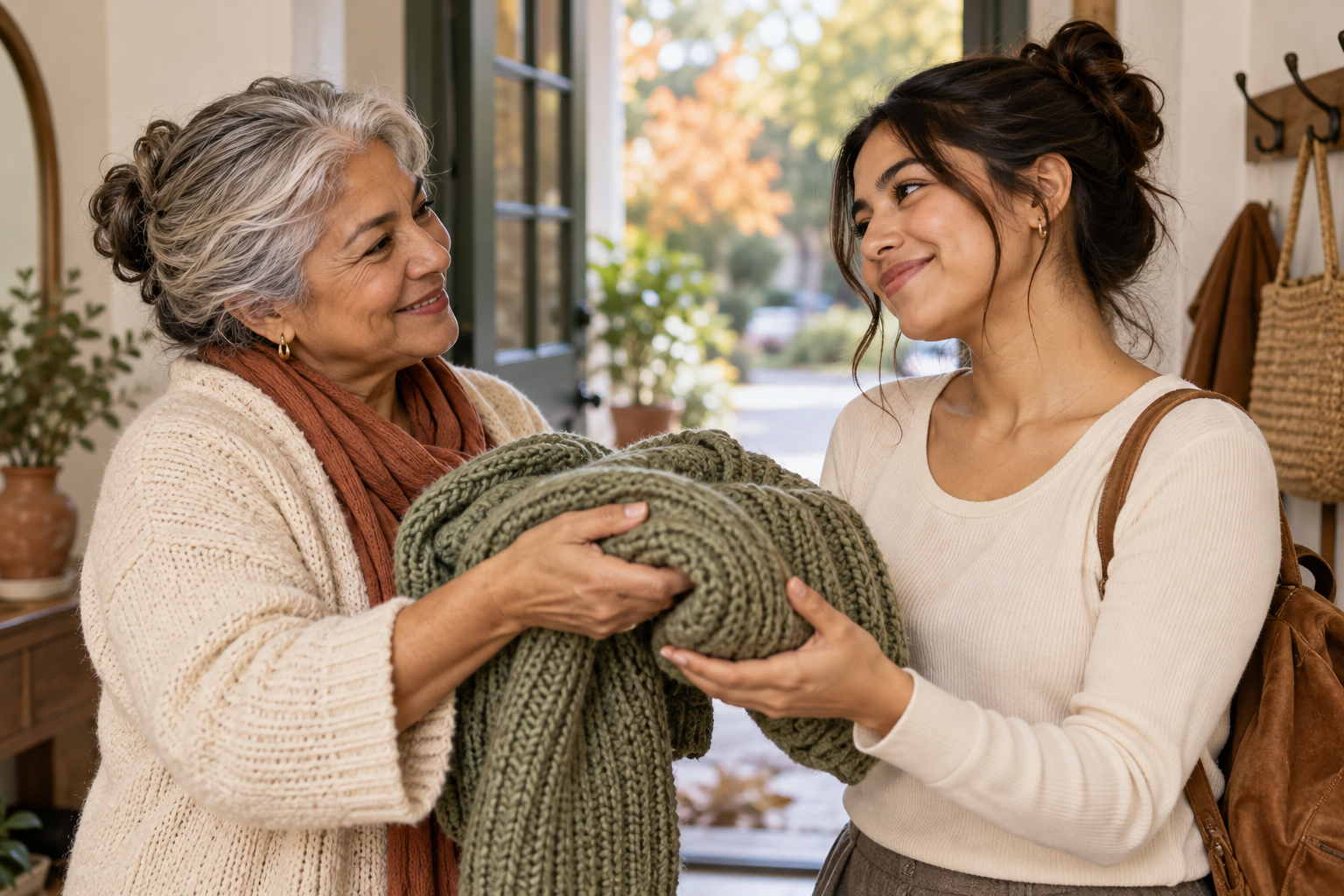
Our tías, abuelitas, and mamis have always been our health guides. They may not have called it “self-care,” but they practiced it in the way they fed us, prayed over us, and gave us hierbas y calditos when life got rough.
Don’t sleep on the ancestral knowledge sitting right at your family table. We don’t need to erase our culture to be healthy. In fact, embracing it might be the most healing thing we can do. Next time you’re sipping on your fancy magnesium tonic, send a little gratitude to your Tía who served it to you as a caldo de frijolitos decades ago. Because whether it’s trending or not, our cultura is the blueprint.