



GLP-1 Face? Muscle Loss? Separating Fact From Fear
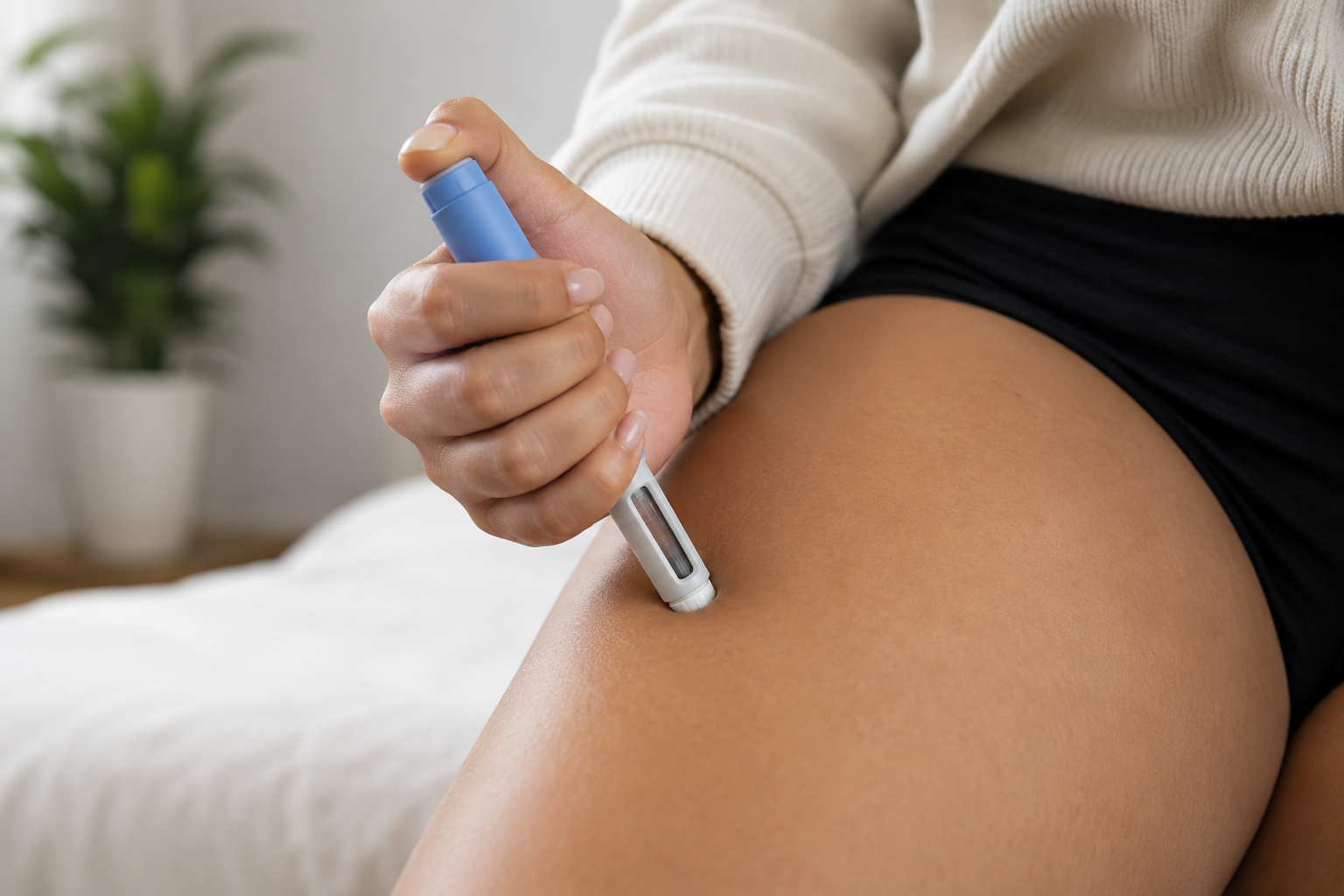
GLP-1 medications have transformed the treatment of obesity and type 2 diabetes. They help people lose significant amounts of weight, improve blood sugar control, and lower the risk of heart disease in many patients.
Still, the internet has given rise to a wave of myths that can make these medications seem more frightening than they really are. Here’s what the science says.
1. Is “GLP-1 Face” Actually Real?
Yes, but it’s not caused by the medication itself.
The term “Ozempic face” refers to facial changes that can happen after rapid weight loss, regardless of how someone loses the weight. As body fat decreases, the face naturally loses some of the fat that gives it a fuller appearance. This can make wrinkles, loose skin, or hollow cheeks more noticeable.
The same thing can happen after:
- Bariatric surgery
- Strict dieting
- Intense exercise programs
- Any significant weight loss
In other words, it’s the weight loss, not the medication, that changes facial appearance.
Can it be prevented?
While you can’t completely prevent changes associated with major weight loss, you may reduce them by:
- Losing weight at a gradual pace
- Staying hydrated
- Eating enough protein
- Protecting your skin from sun damage
- Following a healthy skincare routine
For some people, cosmetic treatments may also be an option after they’ve reached a stable weight.
2. Do GLP-1 Medications Cause Muscle Loss?
Partly, but the full story is more reassuring.
Whenever people lose a significant amount of weight, they typically lose both fat and lean body mass. This has been observed for decades with dieting, exercise, bariatric surgery, and GLP-1 medications.
The concern isn’t that muscle loss occurs, it’s how much muscle is lost and whether you’re taking steps to preserve it.
Researchers have found that most weight lost with GLP-1 medications comes from body fat, but some lean tissue is lost as well.
The good news?
Studies suggest that strength training and adequate protein intake can significantly reduce muscle loss during weight loss.
3. Why Muscle Matters
Muscle isn’t just for athletes.
Maintaining muscle helps:
- Burn more calories at rest
- Improve balance and mobility
- Protect bone health
- Reduce fall risk as you age
- Support healthy aging
- Improve insulin sensitivity
For Latino communities, this is especially important because obesity and type 2 diabetes are more common than in many other populations. Preserving muscle while losing excess fat can improve long-term metabolic health and help maintain independence later in life.
4. How to Protect Your Muscle While Taking a GLP-1
Experts generally recommend focusing on four habits:
Eat enough protein
Many people naturally eat less because GLP-1 medications reduce appetite. That makes it even more important to prioritize protein at every meal.
Good choices include:
- Chicken
- Fish
- Eggs
- Greek yogurt
- Cottage cheese
- Beans
- Lentils
- Tofu
Lift weights
Resistance training is one of the best ways to tell your body:
“Keep this muscle.”
Even two or three sessions per week can make a meaningful difference.
Stay active
Walking, cycling, swimming, and other forms of movement help maintain cardiovascular fitness and complement strength training.
Avoid crash dieting
Rapid calorie restriction without enough nutrients may increase muscle loss.
The goal isn’t simply to eat less—it’s to eat better.
5. Should You Be Worried?
For most people who qualify medically, the benefits of GLP-1 medications outweigh these concerns.
These medications have been shown to help:
- Lower blood sugar
- Reduce body fat
- Improve blood pressure
- Improve cholesterol levels
- Lower the risk of major cardiovascular events in many high-risk patients
- Improve quality of life through sustained weight loss
Like any medication, they aren’t right for everyone, and they work best as part of a comprehensive plan that includes nutrition, physical activity, and regular follow-up with a healthcare provider.
6. Social Media Doesn’t Tell the Whole Story
It’s easy to focus on dramatic photos or viral videos, but they rarely show the full picture.
Most people don’t post about:
- Improved diabetes control
- Lower blood pressure
- Better sleep
- Less joint pain
- Increased energy
- Reduced risk of heart disease
Those health improvements often have a much bigger impact than cosmetic changes.
Final Vibras
“GLP-1 face” and muscle loss aren’t myths, but they’re also not reasons to automatically avoid these medications.
Facial changes are a normal consequence of significant weight loss, not a unique side effect of GLP-1 drugs. Muscle loss can occur, but it’s a common part of weight loss and can often be minimized through strength training, adequate protein, and a balanced eating plan.
If you’re considering a GLP-1 medication, the best approach is to have an honest conversation with your healthcare provider about your goals, medical history, and how to protect your overall health—not just the number on the scale.
For many Latinos at increased risk of obesity, type 2 diabetes, and heart disease, GLP-1 medications can be a powerful tool. The key is using them with accurate information, realistic expectations, and healthy habits that support long-term success.