


10 Signs You May Be in an Abusive Relationship
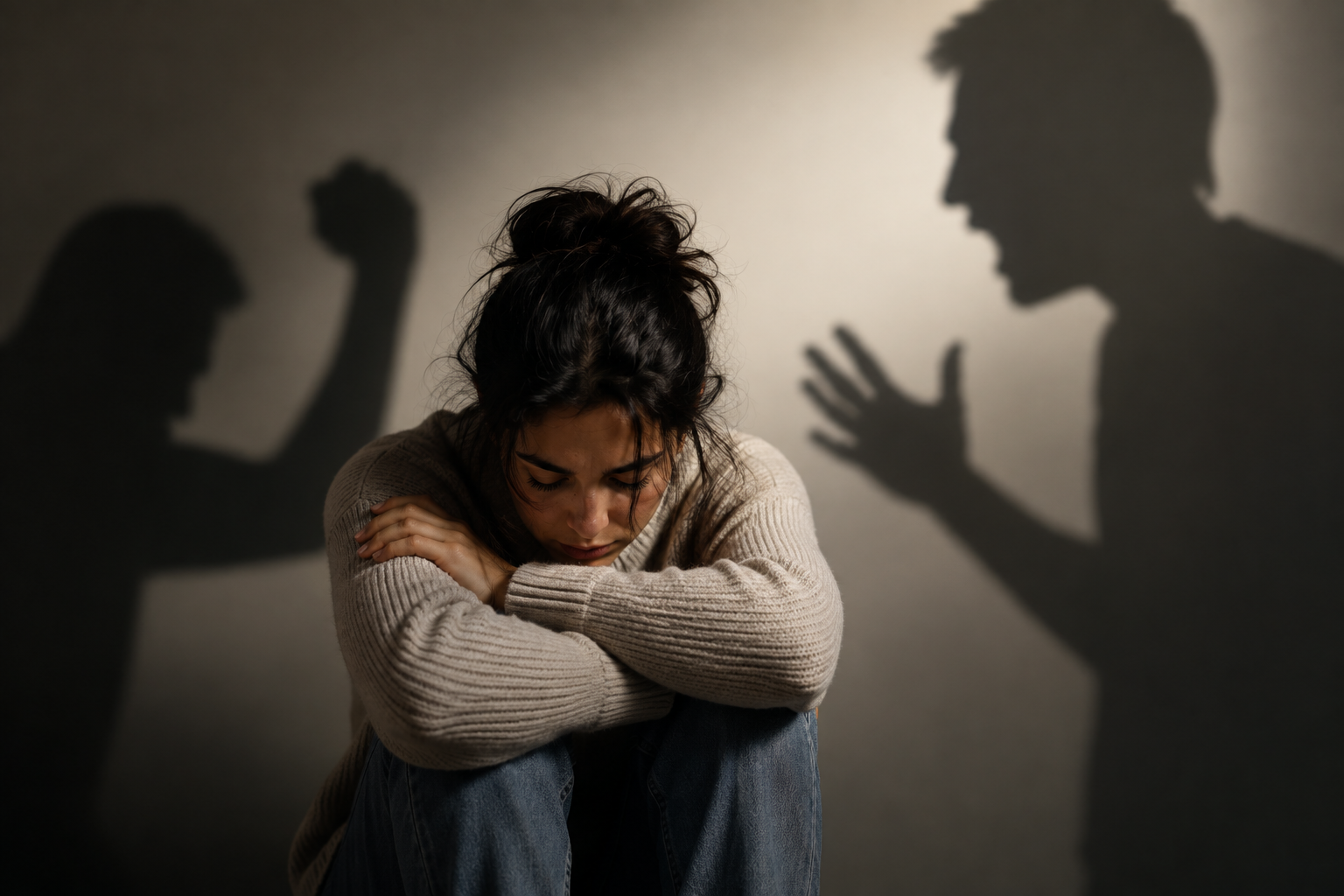
Abuse doesn’t always look like a black eye.
It can start with a comment about what you’re wearing. A demand to see your phone. A partner who gets angry when you spend time with friends. An argument that somehow always ends with you apologizing.
Abusive relationships can involve emotional, verbal, physical, sexual, digital, or financial abuse, and some behaviors can be difficult to recognize, especially when they develop gradually.
Here are 10 warning signs that a relationship may be unhealthy or abusive.
1. You’re Afraid of Their Reaction
One of the biggest warning signs isn’t necessarily something your partner does. It’s how you feel around them.
Do you rehearse conversations before bringing something up? Avoid certain subjects because you know they’ll get angry? Change your behavior to prevent an argument?
Feeling like you’re constantly walking on eggshells deserves attention.
2. They Try to Control You
Control can initially be disguised as concern.
“Text me when you get there” is very different from demanding your location at all times.
Controlling behavior can include telling you what to wear, where you can go, who you can see, how you should behave, or what you can post online.
A healthy relationship allows both people to maintain their independence.
3. They Try to Isolate You
Abusive partners may gradually distance someone from the people who could provide perspective and support.
They might criticize your friends, create arguments before family gatherings, make you feel guilty for spending time away from them, or insist that certain people are “bad for you.”
Over time, your world may become smaller until your partner feels like the only person you have left.
4. They Constantly Check Your Phone or Location
Technology has created new ways for controlling behavior to appear in relationships.
A partner might demand passwords, read your private messages, repeatedly check your location, monitor your social media, or expect you to respond immediately whenever they contact you.
Sharing a password or location voluntarily is one thing.
Feeling like you have no choice is another.
5. They Put You Down
Emotional abuse can slowly damage someone’s confidence.
A partner may insult your appearance, intelligence, career, family, culture, or abilities. They might embarrass you in front of other people and then claim they were “just joking.”
Over time, you may start believing some of those criticisms yourself.
Healthy partners can disagree with you without trying to diminish you.
6. Jealousy Becomes Possessiveness
Jealousy isn’t automatically a sign of abuse, but extreme jealousy can become controlling.
Your partner might accuse you of flirting, become angry when you talk to other people, interrogate you about interactions, or treat normal friendships as threats.
Possessiveness isn’t proof that someone loves you deeply.
7. They Control the Money
Financial abuse can make it extremely difficult for someone to maintain independence or leave a relationship.
It can include controlling bank accounts, withholding money, preventing a partner from working, taking their paycheck, secretly creating debt, or requiring them to justify every purchase.
Money shouldn’t be used as a weapon to control another person.
8. They Ignore Your Boundaries
“No” should matter.
A partner who repeatedly pressures you into physical affection, sex, financial decisions, social situations, or anything else you’ve said you’re uncomfortable with is ignoring your boundaries.
Consent should be freely given, not obtained through guilt, fear, pressure, manipulation, or threats.
9. Everything Somehow Becomes Your Fault
Arguments happen in relationships. Accountability should happen, too.
A concerning pattern emerges when one person is never responsible for anything.
They may blame you for their anger, insults, threats, or aggressive behavior.
“You made me do it.”
“Look what you made me become.”
“I wouldn’t get this angry if you listened.”
Another person’s abusive behavior is their responsibility.
10. They Threaten or Intimidate You
Threats don’t have to involve directly saying, “I’m going to hurt you.”
Punching walls, destroying belongings, driving dangerously during an argument, blocking a doorway, threatening pets, displaying weapons to intimidate you, or threatening to harm themselves if you leave can all create fear and exert control.
Any physical violence—including hitting, pushing, choking or strangulation, kicking, restraining, or throwing objects at someone, is serious.
Final Vibras
Pay Attention to Patterns, Not Just Apologies
One difficult moment doesn’t necessarily define an entire relationship. What matters is the pattern of behavior and power.
Abusive relationships can also include periods of affection, apologies, promises, gifts, and genuinely happy moments. Those experiences don’t erase controlling, threatening, or violent behavior.
If you’re beginning to wonder whether something happening in your relationship is abuse, you don’t need to wait for it to become physical before taking your concerns seriously.
Consider talking privately with someone you trust or a domestic violence professional who can help you think through your situation and safety options.
If you believe you are in immediate danger, contact your local emergency services.
A healthy relationship should have room for respect, boundaries, independence, trust, and safety, not fear.
NEED HELP?
- National Domestic Violence Hotline — Provides confidential support, safety planning, and connections to local resources. Call 1-800-799-SAFE (7233), text START to 88788, or use online chat.
National Domestic Violence Hotline - Love is Respect — Especially helpful for teens and young adults experiencing dating abuse. Trained advocates are available 24/7. Call 1-866-331-9474, text LOVEIS to 22522, or chat online.
Love is Respect - RAINN — Rape, Abuse & Incest National Network — Support for people affected by sexual assault and sexual violence. The National Sexual Assault Hotline is 1-800-656-HOPE (4673), with online support also available.
RAINN - WomensLaw.org — Provides plain-language legal information for survivors, including information about restraining orders, custody, divorce, immigration, financial abuse, stalking, and finding legal assistance. Despite its name, its resources are available to all survivors.
WomensLaw.org - Local Domestic Violence Programs & Shelters — WomensLaw maintains a state-by-state directory of shelters and advocacy programs. Many offer much more than emergency housing, including safety planning, counseling, support groups, advocacy, and referrals.
Find Local Domestic Violence Programs and Shelters
Important: If someone is in immediate or life-threatening danger, they should contact 911 or their local emergency service. If an abusive partner may be monitoring their phone or internet activity, consider using a safer device when searching for assistance; browser activity may not be completely private.
