




How To Find Support When You Think There’s No Way Out Of An Abusive Relationship
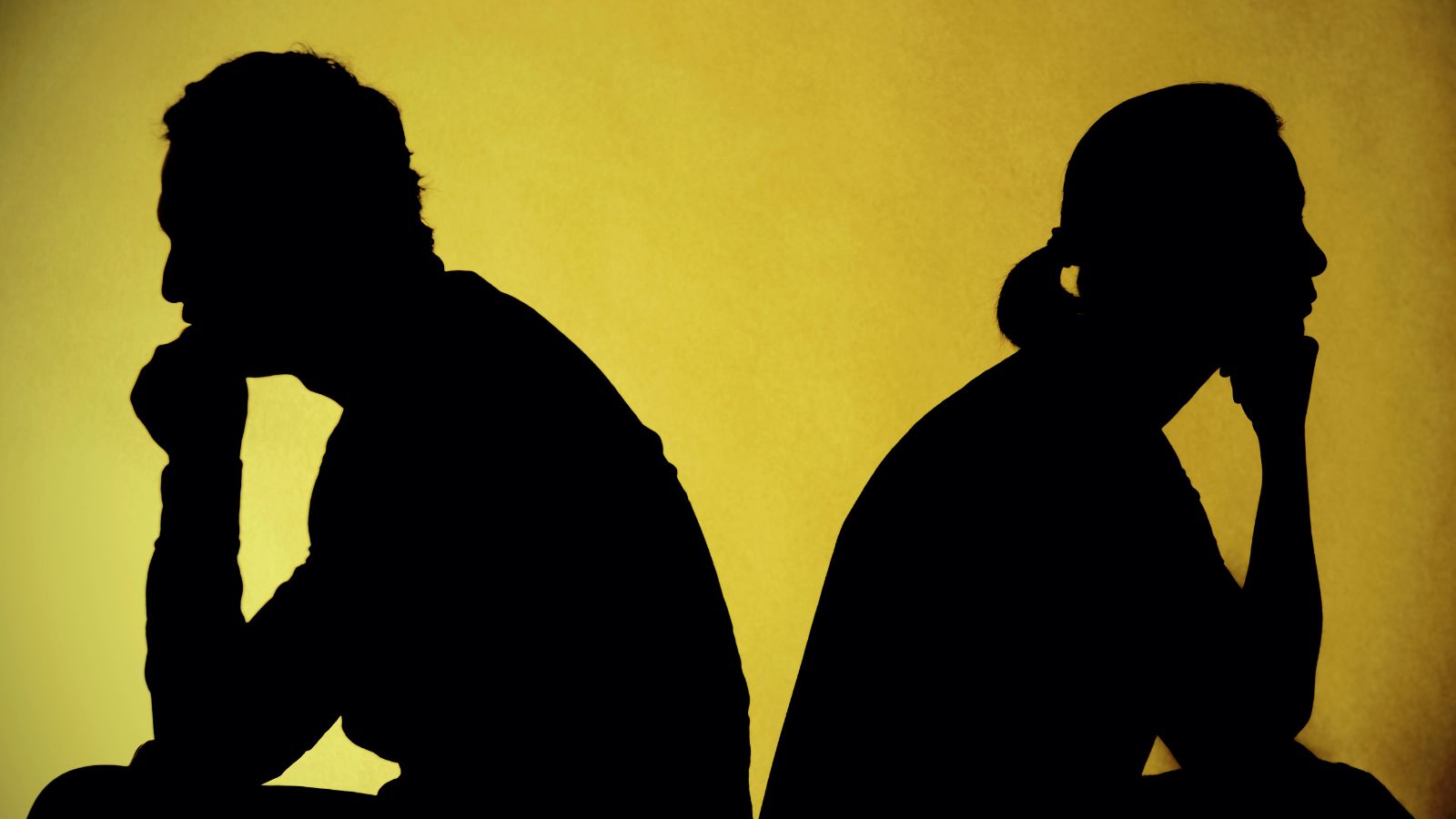
An abusive relationship is not always what you may think it is. It can, but is not restricted to, physical violence. It can be someone making a not-so-funny joke at a social event. It can mean being suffocated by emotional pressure, forced into decisions you don’t want to make. It can be someone micromanaging your every move, or the constant feeling of walking on eggshells because they might suddenly disagree with you, and explode in an outburst of verbal violence against you. Maybe you’re being lied to, called names you hate, treated impatiently, or yelled at.
Every relationship, be it with a parent, friend, sibling, romantic partner, or even a co-worker, can go through rough patches. Arguments happen. But healthy relationships rest on open, honest, and respectful communication. A completely different thing is enduring persistent mistreatment day after day, over a long period of time.
Verbal, emotional, and psychological abuse are particularly insidious because they often appear in subtle, confusing ways. They can erode your self-esteem from the inside out.
And one day, you simply wake up realizing you don’t feel like yourself anymore… and you can’t pinpoint why. The normalization of violent patterns, coupled with the idea that “resilience” means enduring everything, creates the perfect storm for declining mental health and self-worth.
I know the feeling because, unfortunately, it has happened to me. I, who have been educated in critical thinking frameworks. The “I” who did her final bachelor’s thesis on gender equality and civil rights. The “I” that had read Judith Butler since her teenage years.
On my healing path, which was a long journey of acknowledgment and self-forgiveness, I learned that the truth is abuse can happen to anyone, no matter how strong or empowered they think they are. It can surround you so completely that you may not recognize it until it’s too late.
We often associate abuse with violencia machista in heterosexual relationships. But we must also acknowledge that patterns of control, humiliation, and manipulation can appear in queer relationships, friendships, family dynamics, or any type of human bond.
When you’re in an abusive relationship of any kind, the world can feel impossibly small. Fear, shame, and confusion can build invisible walls around you until it seems like there’s no way out. Its toxicity is suffocating.
But, amigas, let me tell you: there is a way out even if you can’t see it right now. You are not alone, and there are people and organizations ready to help you take your first step toward safety and healing.
This is my cheat sheet to find support on your way out to light:
1. Understand What Abuse Really Is
Two characteristics of abuse are worth noting. One is: abuse isn’t always physical. It can be emotional, verbal, financial, or psychological, and it often starts quietly. Controlling who you see, isolating you from friends, monitoring your phone, or making you feel worthless are all forms of abuse. Recognizing these patterns is the first step toward breaking them.
Two is: it can occur not only in romantic relationships but also among family members, friends, and caregivers. According to the National Domestic Violence Hotline, an abusive relationship is any in which one person uses patterns of power and control to dominate, manipulate, or harm another person.
As award-winning sociologist Dr. Deborah J. Cohan explains in Psychology Today: “In an abusive relationship, one person is treated as being less valuable than the other. Their needs, desires, and interests are subordinated. Abuse is not about anger or conflict tactics but about control tactics — about forcing someone to do something against their will or preventing them from doing what they want to do.”
According to Domestic Shelters, four common tactics of mental abuse are belittling, gaslighting, brainwashing, and “the silent treatment”: when the abuser shuts you out for extended periods after an argument, or for no reason at all.
The National Domestic Violence Hotline and Futures Without Violence encourage asking yourself:
- Does this person shame or humiliate me, make me feel bad about myself, or control where I go and how I spend my money?
- Do they ever hurt or scare me with their words or actions?
- Do they keep me from seeing my doctor or taking medication?
- Have they ever physically hurt me (pushed, slapped, kicked, or worse)?
- Do I feel I have to “walk on eggshells” to avoid triggering them?
- Do they isolate me from friends, family, or support networks?
- Do they put me down, humiliate me, or make me feel worthless in private or public?
- Do I make excuses for their behavior, blaming myself instead?
- Has the abuse gotten worse over time, either in frequency or intensity?
If you’re unsure whether what you’re experiencing is abuse, you can reach out confidentially to the National Domestic Violence Hotline at 1-800-799-SAFE, text “START” to 88788, or chat with them online. They can help you understand your situation without judgment or pressure.
2. Build a Small Circle of Trust
Specialists agree that one of the most common feelings experienced by someone who has been in an abusive relationship is shame. In fact, it is very much ingrained in the dynamics of abuse. Beverly Engel, an internationally recognized psychotherapist specializing in abuse, explains that: “Shame is a significant factor in emotional abuse, as it is both the primary damage caused by it and the primary tool used by abusers. It is also the source of emotionally abusive behavior in abusers.”
Therefore, it is usually incredibly difficult for someone to disclose that they are being abused in any way. Guilt and self-justification often follow. They wrestle with the decision between telling the truth about how they feel (the urgent need to finally let someone know “the truth”) and the guilt, embarrassment, and weight of all the questions they will suddenly face. An endless list of reasons emerges to make it sound less serious, to avoid sparking too much worry. So many questions and fears collide in moments of extreme vulnerability, creating a perfect storm when trying to tell someone that you are in an abusive relationship, but don’t know how to get out. In this space, reality and feelings can mix dangerously, leaving you stranded and confused, especially when caught in the cycle of violence.
According to specialists, survivors often go through multiple cycles of abuse — periods of tension, violence, reconciliation (“honeymoon phase”), and calm — before deciding to leave for good. On average, a survivor will attempt to leave an abusive relationship 7 times before leaving for good.
Within the Latinx community, factors like fear of deportation, immigration status, and language barriers often prevent victims from seeking help. A national report by Esperanza United / National Latin@ Network found that 39% of foreign-born Latinas cited fear of immigration consequences as a reason they avoided speaking out.
On top of that, values like loyalty to family, hopes that their partner will change, religious/cultural pressure to preserve the family, shame about publicly talking about abuse, or worry about what others will think —community stigma— are all important factors in this community.
However, mi amiga, keep this in mind: opening up will not hurt you more, it will help you validate your experience and gain clarity to empower yourself against what is happening to you. Remember, you don’t need to tell everyone, just one safe person that you really trust can make a difference. Think about a friend, family member, co-worker, or neighbor who could listen to your story without judgment. Even if you can’t explain everything, you can say, “I’m going through something difficult at home and might need help.” Sharing will help find that strength you need to move forward with those hard decisions you know are right, but you are too afraid to make.
Irina Fainete, therapist and founder of the Texas-based organization Corazones of Courage, which is dedicated to providing mental health support to women victims of gender-based violence, advises that connecting with others and building community can help break the cycle of silence and isolation. By doing so, women can begin to challenge the sense of helplessness that often keeps them trapped in the sphere of their abuser.
She says: “You realize you are not alone, you can count on somebody else. That opens your perspective. The main recommendation is to always seek support, even if it’s not professional at first. Reach out to your network. You are never completely alone. There are always resources to help you. You’re always just one step away from a decision. There is another life where violence does not exist. Then, seek professional and organizational help as well. But first, speak up and connect with others.”
3. Document the Abuse and Reach Out for Help… Officially — Even If It Feels Impossible
Abusers often make you believe that no one will help you or that you’ll get in trouble for speaking out. That’s not true. Many organizations (and, just for the record, there are many with Spanish-speaking advocates) can help you safely plan your next steps, even if you’re not ready to leave.
The National Domestic Violence Hotline suggests that documenting incidents and keeping a journal about what happened and how it made you feel can be emotionally helpful in validating your experiences. It can also serve as a valuable legal resource to prove what occurred. This may include recording dates, times, and detailed descriptions of each incident, taking photos of any injuries or damage, and visiting a doctor if possible.
Johanna Fonseca, CEO of the organization Mil Mujeres, devoted to offering legal representation to immigrant victims of gender violence, emphasizes the importance of reaching out to organizations, despite fear: “If you are afraid — do it afraid.”
In the same vein, the National Domestic Violence Hotline reminds everyone that you always have options, no matter how far away from yourself you think you are. There is never a reason to remain in a home where you feel neglected, mistreated, or unsafe. You can take your first step with something as simple as chatting online anonymously.
4. Prepare a Safety Plan
Statistics show that the moment someone tries to leave an abusive relationship is often when they (and their children, pets, or other family members) are at the highest risk of violence. However, you cannot simply improvise in these situations and expect it to be successful. Once you’ve made up your mind to leave, there are important considerations to keep in mind.
The organization Women’s Law, with 25 years of experience supporting women in violent households, emphasizes the need to make a plan both to “get ready to leave” and for “after you have left.”
Start by deciding where you can go. Connect with relatives, friends, or local organizations that provide shelter. Pack a bag with essential documents, money, clothes, personal items, and any evidence of abuse.
For survivors with children, planning is even more complex. As Mil Mujeres’ CEO Johanna Fonseca explains: “Those who have children also face more complex situations, such as custody, child support, and everything related to the care and protection of minors. In those cases, we work with police departments and public agencies to request restraining and protection orders when applicable.”
After leaving, seek psychological and legal advice to ensure your safety. Organizations like Mil Mujeres, Esperanza United, and the Hotline can help you create a personalized safety plan.
5. There Is Life After Shame and Violence: Healing Is Possible
Fear can paralyze us. But once you overcome that first wave, you’ve already won half the battle. It’s not easy, but you can rebuild your life into something healthy and joyful.
Healing takes time, patience, and support. You may carry scars, visible or not, but you’ll also carry your strength. As Fainete explains: “Once a woman is on the other side and ready to begin her journey of personal reconstruction after violence, the first goal is to heal. Healing means finding meaning in everything that has been lived. Then comes the deep work on identity: who am I now, after this experience? It’s about rebuilding self-esteem and processing guilt. Society doesn’t help much, and many face constant revictimization that brings them back to the trauma.”
Therapy, support groups, and community programs can help you rebuild confidence and trust in yourself.
There is no shame in needing help. Reaching out is the most important act of justice you can do to yourself.
If you or someone you know is in immediate danger, call 911.
For confidential help in English or Spanish:
- National Domestic Violence Hotline: 1-800-799-SAFE (7233) or thehotline.org
- Casa de Esperanza (Latinas United for Peace and Healing): 1-651-772-1611
- Futures Without Violence: futureswithoutviolence.org
- Mil Mujeres: milmujeres.org/contact