



What To Know Before Your First Mammogram
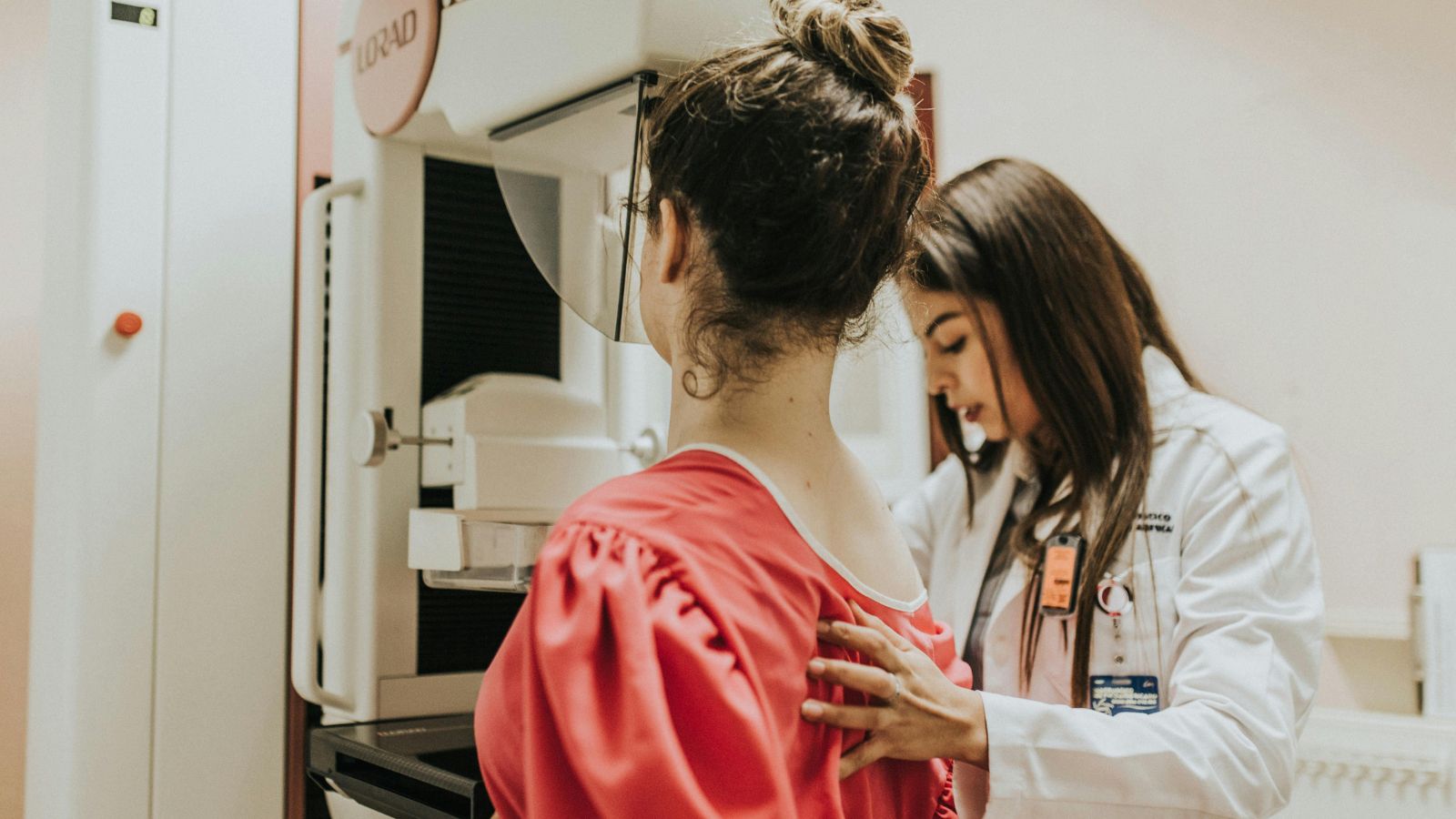
Early detection of breast cancer is key to improving health outcomes and increasing treatment options. One of the most reliable and well-known forms of detection is the mammogram – a test that can be daunting for someone going in for the first time.
There’s a lot of rumors about mammograms being painful, while patients also fear the potential for bad news as a result of the test.
We spoke to the American Breast Cancer Foundation (ABCF) to demysify the mammogram process.
“It’s completely normal to feel anxious,” says Megan Molloy, Executive Director of the American Breast Cancer Foundation. “A mammogram is intimate; it may be unfamiliar, and it carries a lot of emotional weight. But it’s also one of the most powerful tools we have to protect your health.”
But mammograms save lives, especially for those who may be at higher risk for the disease or may face barriers to accessing care.
Latinas, for example, are more likely to be diagnosed with breast cancer at a younger age or at more advanced stages, and have higher rates of aggressive diseases, according to the Breast Cancer Research Foundation.
Molloy says she encourages people to reframe their mammogram appointments as “acts of strength and self-advocacy.”
“This is something you’re doing for your future, your family, and your peace of mind,” she says. So, it’s important to get screened regularly for breast cancer.
What is a mammogram?
The ABCF says that a mammogram consists of X-rays of each breast used to detect lumps or abnormalities. The X-ray is then read by doctors who are trained to diagnose and treat diseases and injuries using imaging techniques.
According to the ABCF, doctors are looking for:
- Calcifications, which are mineral deposits that look like white spots on the x-ray
- Cysts, which are benign fluid-filled masses in the breast
- Tumors, solid masses
- Density of the breast, which can be analyzed for risk of developing breast cancer
What to expect during a mammogram?
During a mammogram, you’ll be asked to undress from the waist up and wear a gown until you’re taken to the mammography room where you’ll take off the gown.
Your breast then goes on a platform and is slowly compressed until it is flat. It’s held for several seconds while the X-rays are taken before it’s released. This is repeated twice on each breast.
This might be uncomfortable and you may experience pressure, but that’s totally normal and it shouldn’t be painful.
Tips for the day of
Wear a separate top and bottom so you can stay partially dressed for your comfort. Don’t wear deodorant, perfumes, or lotion that may have metallic ingredients that could interfere with the results.
Molloy says keeping your own comfort in mind is key; she tries not to schedule her mammograms right around her period when breasts are typically more tender.
“Small steps like that can make the experience a little more comfortable while still keeping screenings on track,” she adds.
Doctors and researchers have made “tremendous” progress in addressing this disease, declining breast cancer deaths over the last 30 years by more than 40%, Molloy says.
“At the same time, we still have serious gaps to close,” she added. “Too many individuals—especially in underserved, rural, and minority communities—face barriers to early detection, quality treatment, and long-term survivorship support. We also need to do much more in the area of prevention, shifting from only reacting to diagnoses to helping people reduce their risk before cancer develops.”
She continued, “We’ve come a long way, but until every person has access to timely screening, culturally competent care, and the resources they need to stay healthy after treatment, our work isn’t finished.”