



What Your Cholesterol Numbers Actually Mean And When You Should Start Checking Them
The cholesterol numbers at the doctor’s office can be complicated – they consist of the good, the bad, and the ugly. And many Latinos don’t know where they stand or how to treat their high cholesterol.
According to a study in the Journal of the American Heart Association, 49.3% of Hispanics were not aware that they had high cholesterol levels and only 29.5% of them received treatment.
This means that there are Latinos at risk of heart attacks, heart disease, strokes, and more who don’t realize what’s at stake.
Some people think that if you work out or eat well or if you’re thin or young, you don’t have to worry about cholesterol. But in actuality, many factors go into having high cholesterol levels, including genetics that could play a major role in your health.
These health myths can be barriers that keep people from proactively working against hardships that may come down the road from unresolved high cholesterol numbers.
“The increase in the amount of cholesterol in your blood is something that there are no symptoms for until you have a blockage or until you have a heart attack,” said Celina Gorre, the Chief Executive Officer of Womenheart, an organization aimed at helping women with heart disease.
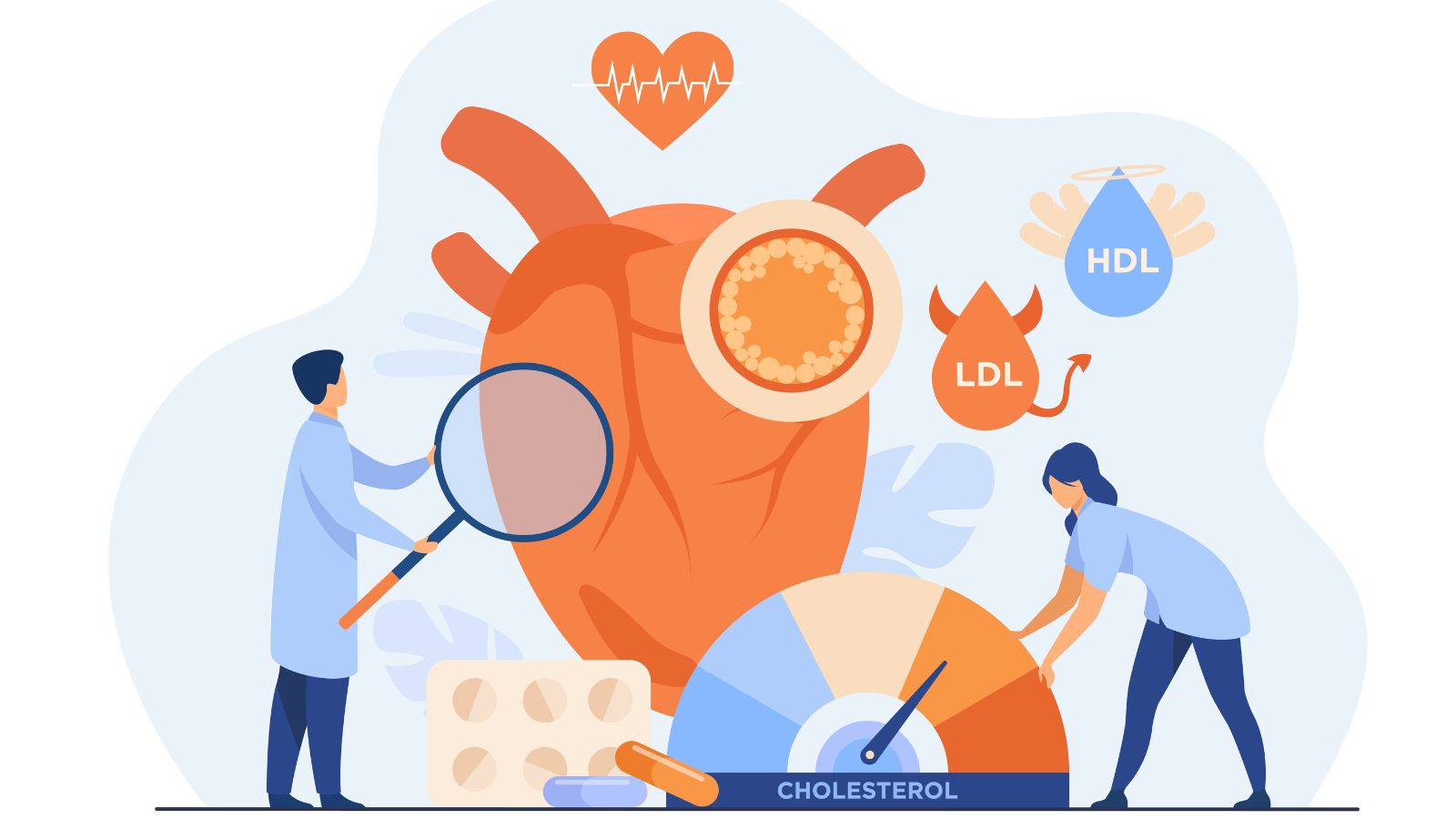
There’s good cholesterol (high-density lipoprotein) and bad cholesterol (low-density lipoprotein) and you won’t know where you stand when it comes to your cholesterol levels unless you get them checked.
According to Womenheart, bad cholesterol is what can build up and clog your arteries, potentially leading to heart attacks or strokes. Good cholesterol, on the other hand, removes excess bad cholesterol from your bloodstream by carrying it back to the liver.
Gorre calls bad cholesterol “the free-flowing gunk” in our blood.
“If there’s too much of it, then it’ll start to pool, and it’ll start to compact and harden into plaque,” said Gorre, adding that the buildup is what causes a blockage that could then cause a heart attack.
When to start checking your cholesterol
Gorre says it’s never too early to think about your heart health. Your cardiovascular health starts with your genetics and is increasingly influenced by your lifestyle and nutritional choices over time. Knowing the risk factors – including age, family history, and diabetes – from your youth and into older age can help you make healthy decisions.
Gorre recommends starting to seriously consider your heart health starting in your 20s, earlier than most people may begin worrying about issues like cholesterol and blood pressure.
Getting your blood tested regularly can help you assess with your doctor your risk of heart disease and stroke, as well as how to manage your levels by keeping your bad cholesterol low and good cholesterol high.
How to read your test results
The total blood cholesterol number you get at the doctor’s office is calculated using three other numbers. Your total test result is the sum of your good cholesterol and bad cholesterol levels, plus 20% of your triglyceride level, according to Womenheart. Triglycerides are the fats from the food we eat.
Your total cholesterol should typically be below 200 milligrams per deciliter. This means the goal is for low-density (bad) cholesterol to be below 100 mg/dL, and your high-density cholesterol to be 60 mg/dL or higher. Triglycerides should be less than 150 mg/dL.
Of course, these numbers can change based on your age, sex and other personal factors, and your targeted levels may also vary due to other health complications based on what your doctor knows is best. But it’s mostly vital to keep in mind that bad cholesterol should be lower and good cholesterol should be higher.
A healthy heart and low cholesterol is within reach for us all – it’s something we can address each and every day if we’re all more thoughtful with how we live, eat and work.
“80% of heart disease is preventable,” adds Gorre. “Even if you have a genetic predisposition, there’s still 80% of your chances of having a heart attack you can do something about and that should give everybody hope. We don’t have to resign ourselves.”