


Why Have Obesity & Diabetes Become The Biggest Health Threat To Latinxs?
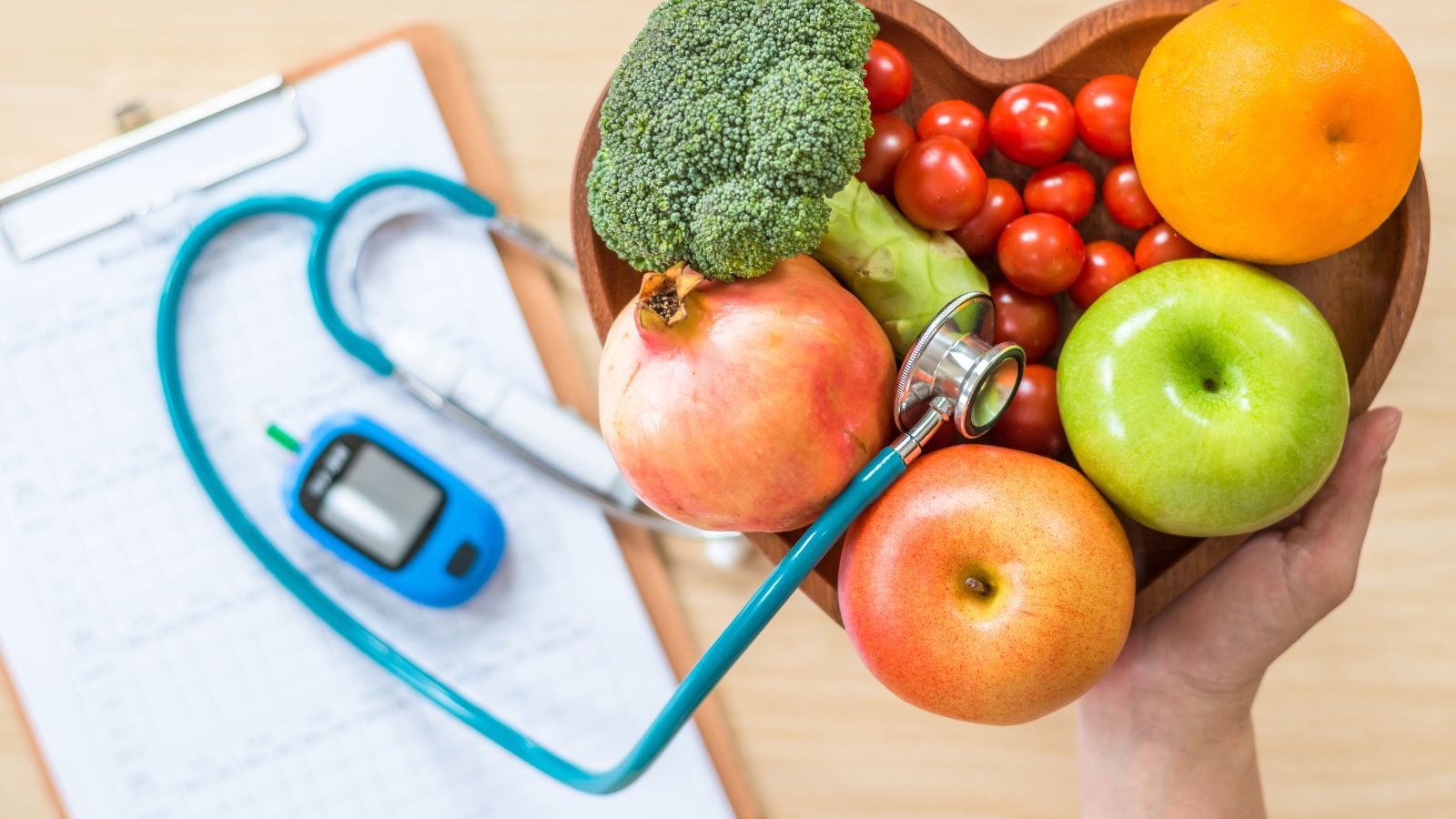
Within the Latinx community, food is something that brings us much joy. From pan dulce to tequeños to croquetas, food is a universal bond that brings us together in a special way. But just like cologne, it’s important to enjoy food in moderation. When Latinxs over-consume, or are not properly informed on nutrition, they become more susceptible to obesity, which can open the pathways for chronic diseases like diabetes.
However, it’s important to recognize that obesity is a complex issue influenced by many factors beyond personal choice, including access to affordable healthy foods, culturally relevant nutrition education, safe spaces for physical activity, and broader systemic and socioeconomic barriers. Addressing these challenges requires compassion, community-centered solutions, and equitable access to health resources.
Food is a cultural staple in the Latinx community, which is why it’s so easy to over-consume
Our food traditions are beautiful. The honor and reverence for recipes that have been passed down from generation to generation is something that many treasure. Celebrating abuela’s 95th birthday? Of course there’s going to be cake… and a table spread that could rival the fanciest of weddings.
The cultural foods that we grow up eating bring us comfort, solace, and connect us with our heritage. Something good happens? Let’s treat ourselves. Feeling down? A little something sweet might help. And if you’re at la tía’s house for dinner (even if you just ate) you’re not walking away without a full plate… because turning it down would basically be a personal insult!
Food is a way to bond with our family and ancestors, but when we consider modern sedentary lifestyles and that we have less time to exercise, it’s easy to see how things can shift.
There’s no problem with eating our traditional foods. It’s consuming them in an unbalanced way, especially in a culture that celebrates food so lovingly, that causes complications.
The numbers on obesity and diabetes within the Latinx community don’t lie
In the 2023 study, “Obesity among Latinx people in the United States: A review,” published in the National Library of Medicine, researchers found that obesity and type 2 diabetes “disproportionately affects” Latinxs at a much higher rate than their non-Latinx counterparts.
The study found that between 2017-2018, about 44.8% of Latinxs and 50.4% of Mexican-Americans met the criteria for obesity compared to the 42.2% of the non-Latinx White population.
When it comes to type 2 diabetes, Latinxs are also more susceptible to developing it. About 25.6% of Latinxs are affected compared to only 16.4% of non-Latinx White people. Latinxs are also more likely to develop prediabetes, according to Baptist Health.
But this isn’t solely an adult issue. Per Healthy Women, about one in four Latinx children between six and 17 is considered to be living with obesity. In the 2020 study, “Understanding the growing epidemic of type 2 diabetes in the Hispanic population living in the United States,” researchers found that children were five times more likely to develop diabetes than their non-Latinx White counterparts.
The study found that “care for people with diabetes accounted for 1 in 4 spent dollars in health in the United States representing $327 billion when combining direct medical costs and reduced productivity.”
However, this isn’t a story that seeks to place blame at the feet of the individual. Many factors need to be taken into account. Research suggests that it is a combination of things like genetics, socioeconomic factors, age, and environment that can lead to higher numbers of obesity and any number of chronic diseases for Latinxs.
Living a healthier lifestyle is bigger than the personal choices we make
In addition to watching what you eat and how much you eat, it’s also essential to maintain an active lifestyle. But, as Cedars-Sinai posits, how can you stay active in your everyday life when you lack “access to parks, sidewalks or affordable workouts, and it’s tough to eat well without access to markets that sell affordable, healthy food.”
Our environment and socioeconomic status also significantly influence how we eat. Finances affect the decisions you’re safely able to make. It influencer where you live, what you can buy, and how you can protect yourself from diseases.
What happens when you have to choose between paying the rent and buying fresh, organic veggies to cook? Marissa Duswalt Epstein, R.D.N., M.B.A., tells Healthy Women that when faced with the choice of keeping your home or cooking a meal, home wins out every time.
“The fact of the matter is that maybe eating a nutritious meal is not the most important thing you need to do that day,” Epstein begins. “Maybe it is paying the electric bill … I watched my family make all those choices instead of doing home-cooked meals. And I applaud women for making those hard choices.”
Then there’s genetics. If there is a history of diabetes and obesity within your family, chances are you and your children are predisposed to it. Cedars-Sinai details that “the relationship between an individual’s genes and their environment” is another major factor.
Reducing our risk means small steps leading to big victories
Across the board, researchers, doctors, and nutritionists will tell you that to change your life, you don’t need any fancy equipment or to skip meals. Dr. Amanda Velazquez, MD, shared with Cedars-Sinai that you need to keep your goals realistic in relation to your lifestyle and personal preferences.
“If you know you love having tortillas and you make a goal to have no tortillas, that’s not realistic,” she says. “Maybe if you have three tortillas every meal, you can try to cut back to two. Maybe if you love drinking soda, you can start trying to switch over to seltzer water, which is bubbly but typically has no added sugar,” Velazquez continued.
This is why many Latinx nutritionists are working diligently to ensure that their clients understand you can eat healthily while also honoring your roots. They know the importance of eating together at family gatherings and how our food is deeply tied to our identity.
Latinxs deserve to be happy, healthy, and also enjoy our favorite foods.