



GLP-1 Microdosing: 7 Things to Know
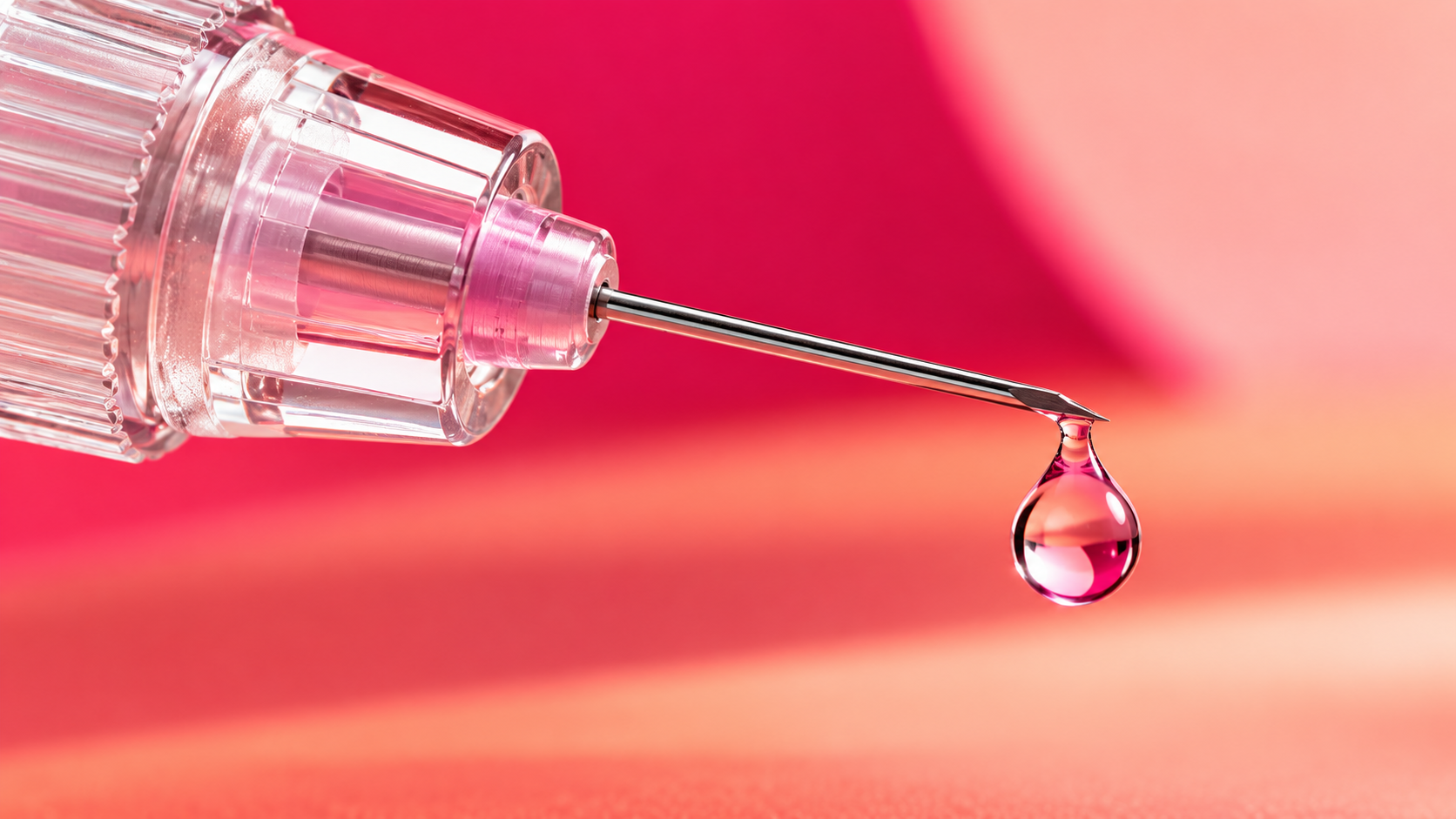
Can a tiny dose of a GLP-1 medication deliver benefits with fewer side effects?
That’s the promise behind “microdosing,” a term gaining attention online.
The idea sounds appealing, especially if you’ve heard stories about nausea or reached your goal and want help mantaining it.
Here’s what to know before changing how you take a prescription GLP-1 medication.
1. “Microdosing” has no standard definition
People use the word to mean different things: taking less than a prescribed starting dose, increasing a dose more slowly, or staying on a low dose for longer.
Those are different decisions with different potential effects. There is no single, clinically established GLP-1 “microdose” that works for everyone.
A published discussion of semaglutide microdosing notes that the approach is off-label and has not been validated in clinical trials.
2. Starting low is already part of standard treatment
Many GLP-1 treatment plans begin with a lower dose and increase gradually to help the body adjust.
That planned starting dose is not the same thing as experimenting with an even smaller amount on your own.
If side effects are making treatment difficult, your prescriber can assess whether to delay an increase, adjust your treatment, or consider another option.
3. A smaller dose may still cause side effects
GLP-1 medications can cause nausea, vomiting, diarrhea, constipation, and stomach discomfort. Serious problems can also occur, including pancreatitis and gallbladder problems.
Taking less does not guarantee that you will avoid side effects—or receive the health benefit you’re seeking.
4. The evidence does not support every claim online
You may see claims that microdosing provides the same weight-loss or blood-sugar benefits with fewer side effects. That has not been established as a general rule.
Clinicians have discussed individualized low-dose approaches for selected patients, but those discussions are not proof that microdosing is effective or safe for everyone.
5. Measuring your own dose can be risky
This matters especially with compounded medication supplied in a vial. The FDA has received reports of dosing errors involving compounded injectable semaglutide, including people taking substantially more than intended; some cases required hospitalization.
Compounded drugs are not FDA-approved, so the FDA does not verify their safety, effectiveness, or quality before they are marketed.
6. Your medical history and other medications matter
Before starting or changing treatment, tell your clinician about your health conditions, other prescriptions, and any pregnancy plans. GLP-1 drug labels include important warnings and contraindications.
Tirzepatide can also reduce the effectiveness of oral hormonal contraceptives around treatment initiation and dose increases, so its label recommends additional or alternative contraception during those periods.
7. Ask about a plan you can actually follow
If you’re considering microdosing because of side effects, cost, or anxiety about starting, say so directly. Useful questions include:
- What result are we treating for, and how will we measure progress?
- Is my current dose meant to be a temporary starting dose?
- What should I do if side effects interfere with eating, drinking, or daily life?
- Who should I contact before changing or missing a dose?
- If I’m using a vial, can you show me exactly how to measure my prescribed dose?
Fina Vibras Takeaway: A dose that works for your cousin, your favorite creator, or someone in a group chat may not be right for you. GLP-1 treatment can be personalized, but dose changes should be made with the clinician who knows your health history and the exact medication you’re taking.