



7 Reasons Why Watching The World Cup Is Healthy
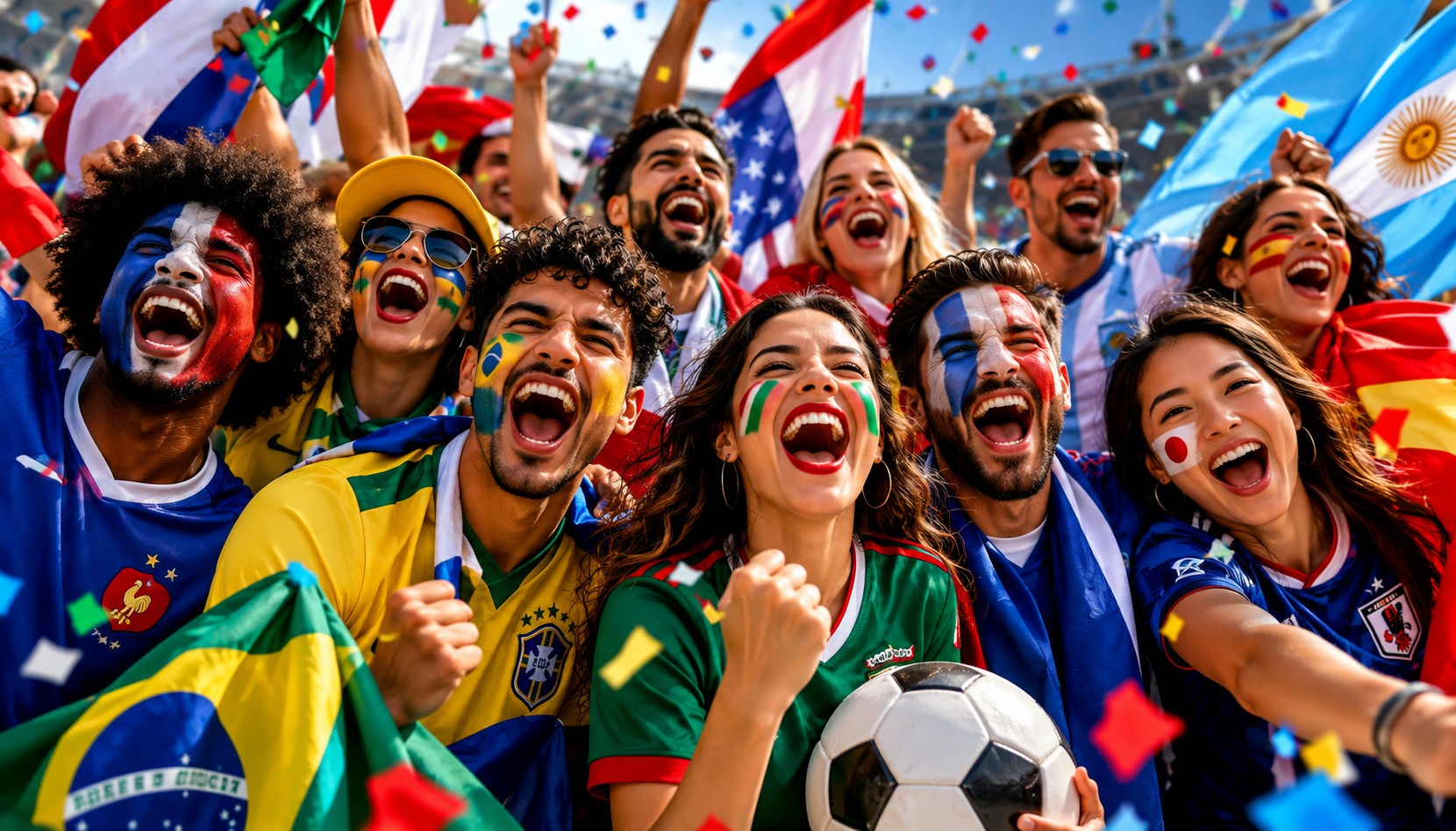
Watching the World Cup might actually be good for your health.
Most of us consider it an exiting and competitive form of entertainment, but there’s another angle worth exploring:
No, watching 90 minutes of soccer won’t replace your gym membership. But the world’s biggest sporting event creates social, emotional, and even physical benefits that can improve well-being.
We have seven scientific receipts.
1. It Creates a Sense of Belonging
Humans are social creatures. One of the strongest predictors of happiness and longevity is feeling connected to a community.
The CDC reports that strong social connections are linked to longer, healthier lives and can reduce the risk of depression, anxiety, heart disease, and other serious conditions.
The World Cup gives people a shared experience unlike almost anything else. Whether you’re cheering for the United States, Mexico, Argentina, Spain, Brazil, or the underdog of the tournament, you’re participating in a global conversation.
That sense of belonging can reduce feelings of isolation and strengthen social bonds.
2. It Gives You a Healthy Emotional Release
Let’s face it: life is stressful.
Sports provide a socially acceptable outlet for emotion. Joy, excitement, anticipation, frustration, and celebration all get expressed during a match.
Cheering, laughing, hugging strangers after a goal, and even suffering through a heartbreaking loss can be surprisingly therapeutic.
For many fans, the World Cup is one of the few times they fully disconnect from work and daily responsibilities.
3. It Encourages Physical Activity
We don’t just watch soccer during the World Cup. Many are motivated to play it.
Research from the University of Birmingham found that major sporting events can inspire people to participate in sports and physical activity, particularly when fans feel motivated by what they see.
Youth participation often spikes after major tournaments. Adults organize pickup games. Families head to parks to recreate the goals they just watched on television.
The tournament inspires movement, and movement is one of the most powerful tools we have for improving physical and mental health.
4. It Brings Friends and Families Together
In an era of endless scrolling and fragmented attention spans, shared experiences matter.
World Cup matches create reasons for people to gather in person. Families host watch parties. Friends reconnect. Coworkers bond over predictions and rivalries.
The World Health Organization (WHO) notes that social connection strengthens community trust, resilience, and overall well-being.
Strong relationships are consistently linked to lower stress levels, better mental health, and longer lives.
5. It Introduces Us to New Cultures
The World Cup is one of the few events that truly feels global.
Fans are exposed to new countries, traditions, languages, foods, music, and stories. That cultural exposure can increase empathy, curiosity, and understanding of people from different backgrounds.
A broader worldview doesn’t just make us more informed—it can also make us more connected.
6. It Gives Us Something Positive to Anticipate
Psychologists have long known that anticipation itself can boost happiness.
The countdown to opening day, the group-stage drama, the knockout rounds, and the final all give fans something exciting to look forward to.
In a world often dominated by negative headlines, the World Cup provides weeks of positive anticipation and collective excitement.
7. It Inspires Hope
Every World Cup delivers stories of resilience, perseverance, and unexpected success.
Underdogs upset giants. Veterans get one last chance at glory. Young players become stars overnight.
These stories remind us that outcomes aren’t always predetermined. Effort matters. Persistence matters. Hope matters.
And sometimes, that’s exactly the message people need to hear.
Final Whistle
The World Cup won’t lower your cholesterol or replace a morning run. But it does offer something increasingly valuable: connection, community, joy, inspiration, and a reason to gather together.
In a world that often feels divided, people spending a month celebrating the same event may be healthier than we realize.
So go ahead. Watch the match. Cheer loudly. Invite friends over.
Your mental health may thank you for it.
SOURCES:
- “Social Connection.”– CDC.
- “The sport participation legacy of major events in the UK.”– Oxford Academic.
- “Social connection linked to improved health and reduced risk of early death.”– The World Health Organization (WHO)
- “Well-being and Anticipation for Future Positive Events: Evidences from an fMRI Study.”– Frontiers in Psychology.