



I Thought Something Was Wrong With Me. Turns Out I Was Another Latina Undiagnosed ADHD
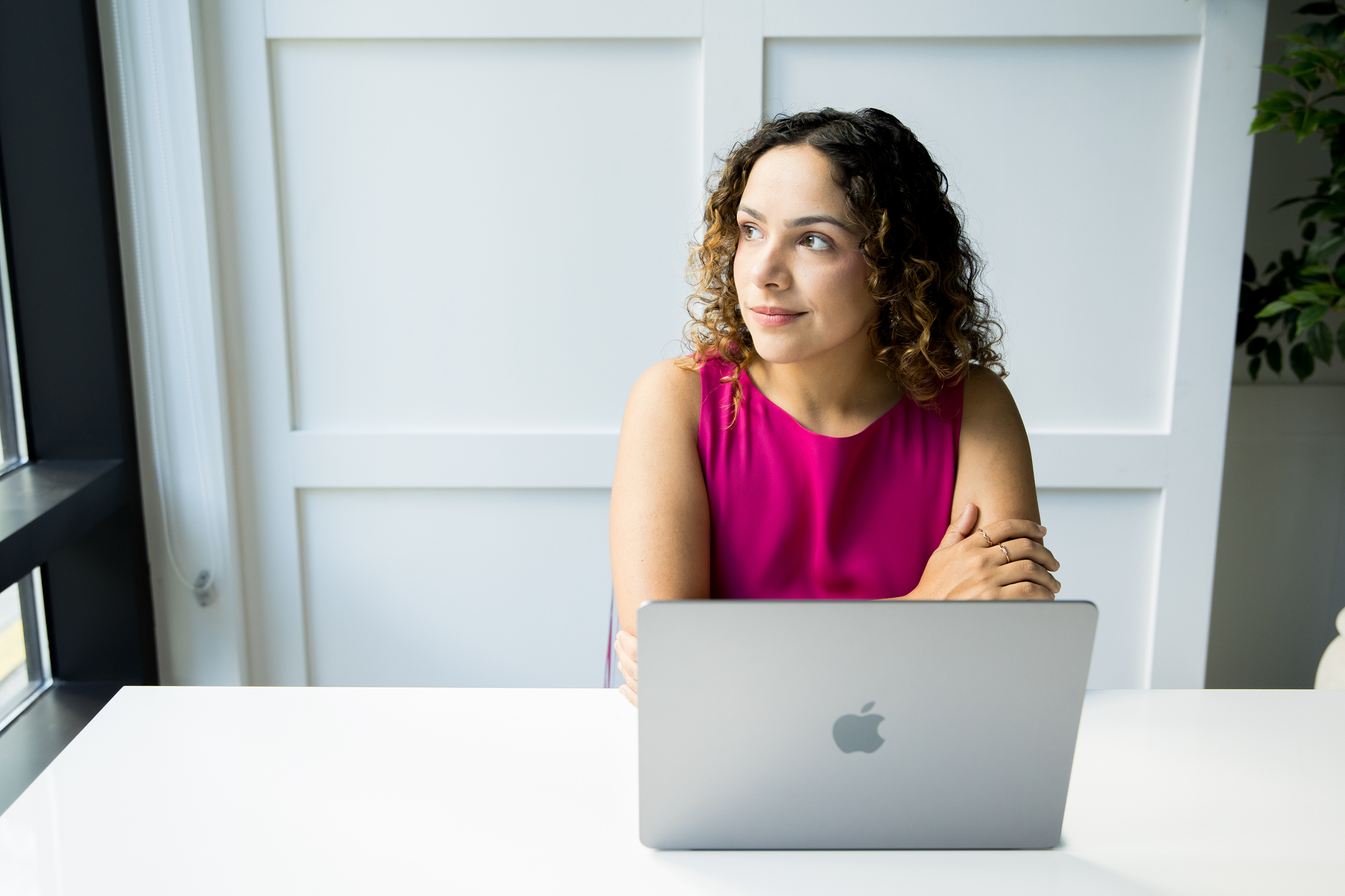
For years, I thought I was just bad at being a responsible person. I missed deadlines, forgot appointments, lost things constantly even though my to‑do lists had to‑do lists. I would zone out in the middle of meetings or hyperfocus until two in the morning on something that should have taken an hour. Somehow, people praised my creativity, my drive, and my ideas, but I was always exhausted and always scrambling to catch up.
I didn’t realize it at the time, but I was masking. I built a career in communications and marketing — a field that demands organization, creativity, and tight deadlines — and spent my twenties trying to outwork what I didn’t yet understand about myself. I thought the chaos in my head was a personal flaw I needed to fix with more discipline. I punished myself for every dropped ball, every late text, every moment of distraction.
Because I was “high functioning,” no one suspected all of the internal battles I was juggling. I hit targets, delivered great work, and kept my head above water — on the outside. Inside, I was running on fumes. Then, I was laid off and everything unraveled. Without the built-in structure of an in-person job — meetings, check-ins, daily rhythm, I realized how much I relied on external systems to stay focused. Remote work gave me freedom, but also made my struggles more evident.
Shortly after, I was diagnosed with ADHD at 28, and it all clicked. Statistics show that girls and women are significantly underdiagnosed in childhood (boys are diagnosed more than twice as often) often due to more subtle symptom patterns in girls such as daydreaming and inattentiveness. Many women aren’t diagnosed until adulthood, when daily demands expose the limits of their coping strategies. One report found that 61 percent of women received their ADHD diagnosis in adulthood, compared to just 40 percent of men, according to ADDitude. I was one of those women.
Suddenly, there was a name for what I thought were personal failures: scattered thoughts, sensory overload, a craving for novelty, and bursts of energy followed by total burnout. ADHD didn’t feel like a label, it felt like a map. I wasn’t lazy or flaky. My brain just works differently.
Diagnosis marked the start of an unlearning process I didn’t know I needed. I stopped trying to force myself into productivity systems not built for neurodivergent people. I began constructing my career around my brain instead of against it: leaning into project-based work, storytelling, campaign strategy, and platforms centered on community and culture.
Launching my own agency taught me that ADHD can be an advantage. The variety of different clients, industries, creative challenges feeds my curiosity and prevents the stagnation I often felt in a typical 9-to-5. Now I know to structure my days around my energy, not fight against it. I built accountability, structure, and space for ideas to breathe.

As a Latina, this diagnosis carried more complexities. Mental health was taboo growing up, and neurodivergence was even less visible in our communities. ADHD in Latinas is often misunderstood as anxiety, irresponsibility, or simply being emotional. We’re taught to push through, to be resilient at any cost. But resilience without support is unsustainable.
We deserve better. We deserve careers where we don’t have to hide how our minds work in order to succeed. I’m still learning how to work with my ADHD (not against it) but every time I give myself grace instead of shame, and every time I build something that truly reflects me, I know I’m moving in the right direction.
If you’ve ever felt like you’re too much and not enough at the same time, like you’re constantly a few steps behind, know this: you’re not broken. You might just be wired differently, and that difference could be your greatest strength.
Tips for Women Navigating Late ADHD Diagnosis
- Lean into structure that helps
Seek out external accountability — like coworking sessions, project deadlines, or morning check-ins — to help maintain focus. - Customize productivity tools
Use timers, visual reminders, and micro-deadlines. Chunk tasks into manageable bits and celebrate small wins. - Work with your brain’s energy cycles
Block your schedule around when you’re most focused or creative. Alternate between deep work and movement or rest. - Build community and seek mentorship
Connect with other neurodivergent women through support groups — online or in person — to share strategies and feel seen. - Advocate for accommodations
If you’re in a workplace or even freelancing, feel empowered to request tools (like prioritized task lists, flexible hours, or focus spaces) that support your workflow. - Prioritize self-compassion
Move from self-criticism to understanding. You’re not lacking discipline, you’ve just been using systems designed for a different brain.