


The Blood Pressure Numbers Every Latino Should Know, And When To Worry
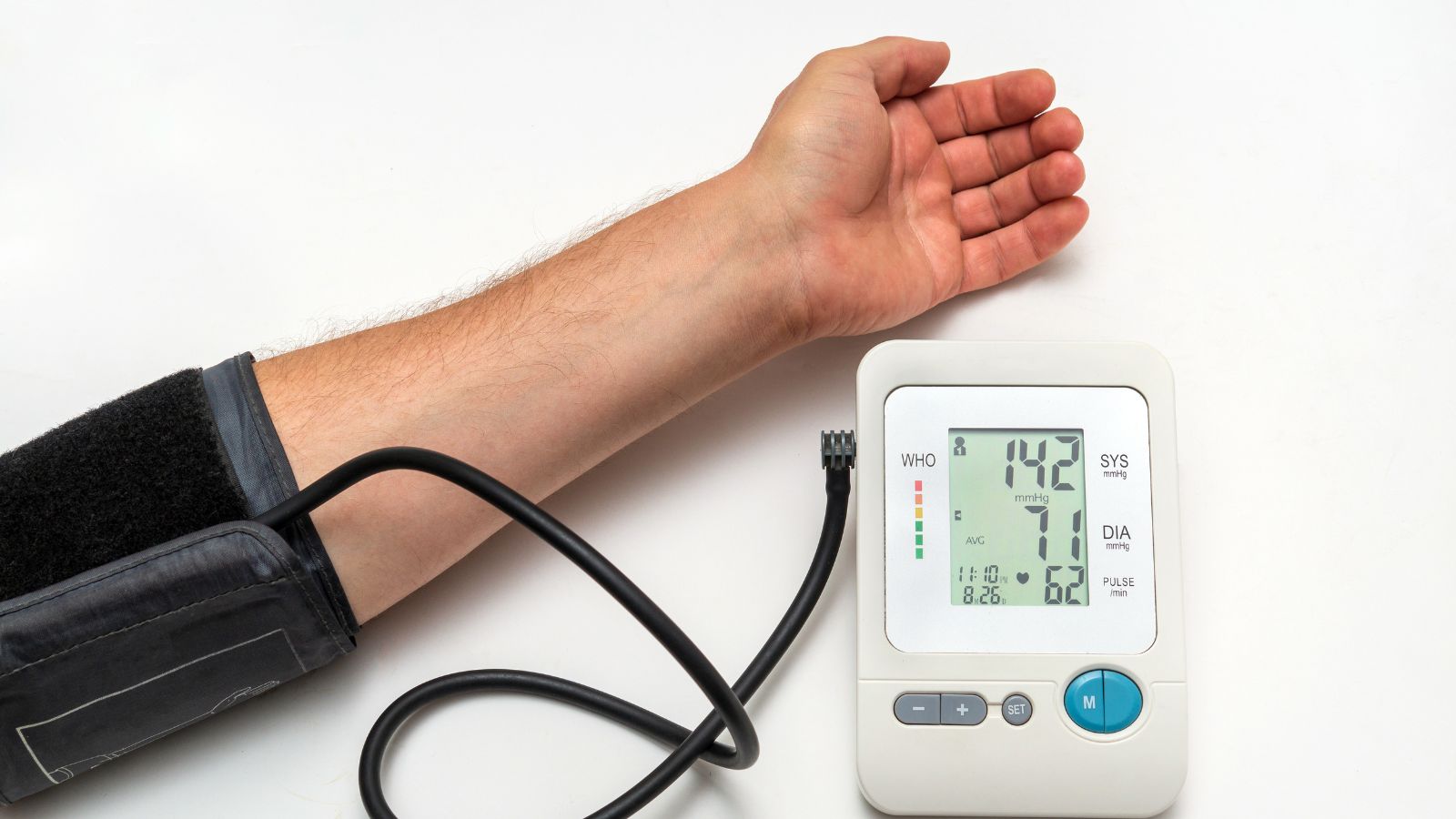
High blood pressure plagues nearly half of U.S. adults across the country, and Latinos are no exception.
High blood pressure is nothing to take lightly – some people call it a “silent killer” because it doesn’t always cause patients to develop symptoms.
It can lead to serious health problems like heart attacks or strokes. It’s vital that we get our blood pressure checked and address any lifestyle and food consumption patterns that may interfere with our efforts to stay healthy. (And yes, that might mean putting down the salt while cooking.)
But how exactly do we know when our blood pressure is of concern? What do the numbers that quantify our blood pressure actually mean anyway?
Blood Pressure 101
Your body needs to keep the blood flowing to run properly. Your blood pressure takes into consideration two things: systolic pressure and diastolic pressure.
Systolic pressure refers to the pressure of the blood pumping out of the heart when it beats: “Think of it as how hard the blood pushes against your artery walls during a heartbeat,” says Johanna Contreras, a cardiologist at Mt. Sinai Hospital System in New York City and a volunteer expert of the American Heart Association.
Diastolic pressure refers to the pressure of the blood when the heart rests: “Think of it as the ‘baseline tension’ in your blood vessels,” Contreras add.
Both of these numbers are important; you can still have high blood pressure even if only one of the numbers shows an elevated score.
But “people should not panic over one high reading, especially at the doctor’s office – white coat effect is real!” she says.
A normal blood pressure reading is less than 120/80.
You’re in the pre-hypertension warning zone if your top number, your systolic reading, is between 120-129, and if your bottom number, the diastolic reading, is less than 80.
Stage 1 of high blood pressure is when your systolic blood pressure is between 130–139 or the diastolic blood pressure is between 80–89.
Stage 2 is when your systolic blood pressure is more than or equal to 140 or the diastolic blood pressure is higher or equal to 90.
“In order to diagnose hypertension, we need to have at least 2 measurements in two different times that are both showing high blood pressure,” said Contreras. “Good lifestyle, like exercise, eating low in salt, low-fat diet, good sleep, avoiding alcohol, tobacco and other substances, are important and will help to control blood pressure.”
If you have a high reading, but no alarming symptoms, Contreras recommends sitting down and relaxing for a few minutes. She says to avoid caffeine, smoking, or stressful conversations for 30 minutes to see if this improves your reading.
Numbers that signal an urgent hypertensive crisis are above 180 systolic OR above 120 diastolic. Contreras says it’s vital to go to your emergency department if a high blood pressure patient has symptoms including severe and persistent headaches, dizziness, trouble focusing, or any signs of organ damage, chest pain and more.
If blood pressure numbers stay high over time, she recommends consulting with your doctor to evaluate what’s causing your high blood pressure and create a plan to tackle it.
On the other hand, low blood pressure readings are usually good, according to the American Heart Association. When blood pressure is less than 90/60, someone could be diagnosed with hypotension, which is usually not harmful unless there are other concerning symptoms present.
What to do after a high blood pressure reading
“Culturally grounded strategies make a real difference,” said Contreras.
She encourages patients to make small food swaps without losing cultural flavor – like using herbs, garlic, limón, cilantro, and spices instead of salt – or choosing low-sodium versions of canned beans, adobo, sazón, and bouillon. She also recommends preparing traditional dishes in healthier ways, like grilling instead of frying.
But our community at large can play a bigger part in tackling high blood pressure. She recommends community-focused movement like dance classes, family walks, or sporting activities to keep you and your loved ones active regularly.
Most importantly, we should empower our families to monitor blood pressure with at-home tools like self-managed monitors that can keep everyone aware of their progress. Blood pressure monitoring is one of the strongest tools for prevention, according to Contreras. Reducing the stigma around blood pressure tools – including medication – is key to bettering outcomes within our community.
“Some Latinos worry about becoming ‘dependent’ on medications,” said Contreras. “Medication is not a failure. It’s a tool, like glasses,” and can save your life.
If you or a loved one is having trouble accessing care, Contreras recommends reaching out to community clinics, Federally Qualified Health Centers, and mobile health vans that often provide low-cost or free screenings or have Spanish-speaking staff to help you on your health journey.