



What Your Mucus Color Actually Tells You About Your Respiratory Infection
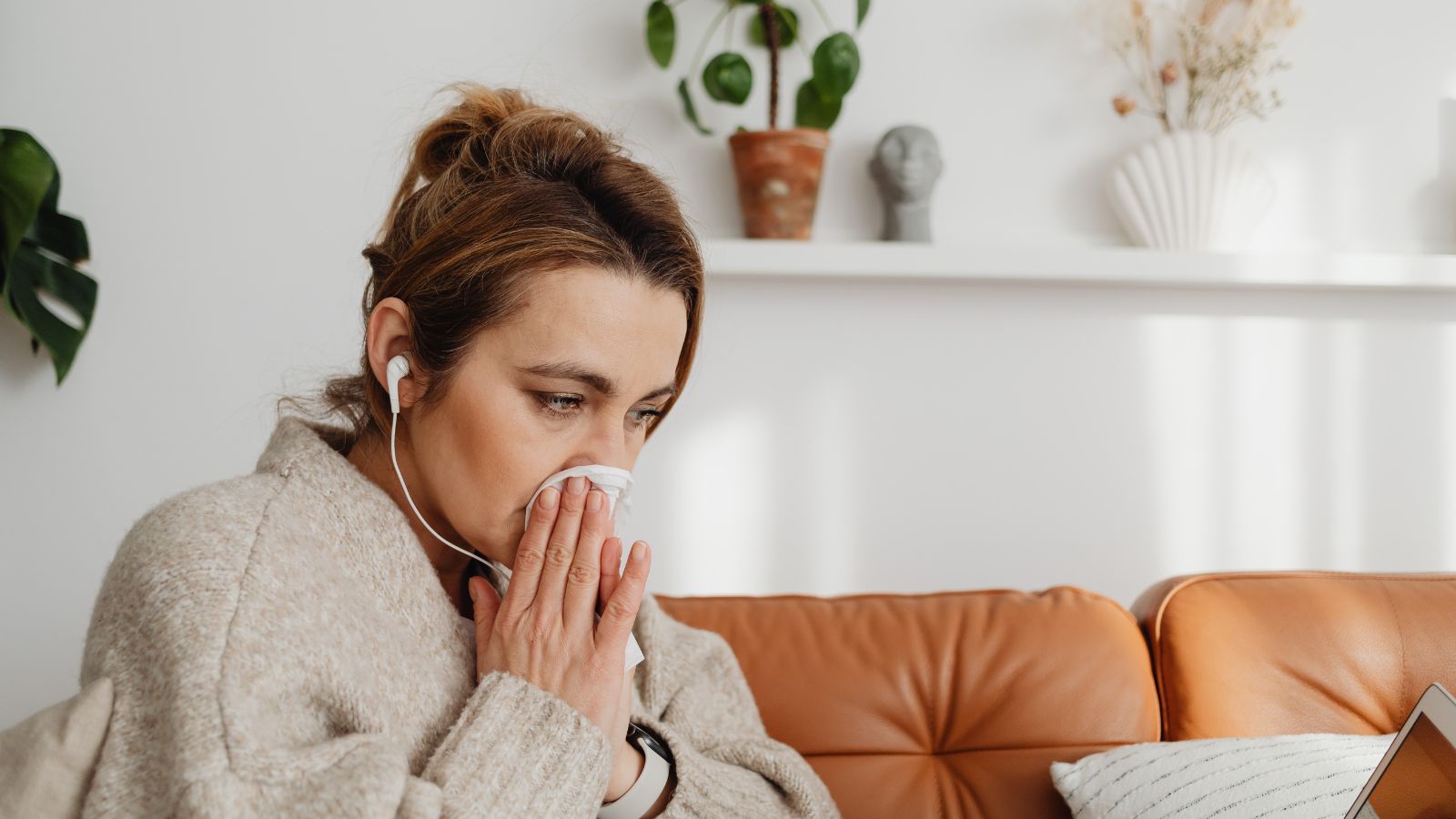
When the sniffles, sneezes, and snot strike, it can be hard to tell exactly what ails you. Is it one of the three contagious respiratory viruses that typically plague the winter seasons: COVID-19? The flu? RSV? Are they allergies?
And do the answers lie in our mucus-filled tissues?
Dr. Juanita Mora, a national medical spokesperson for the American Lung Association, says that increased mucus production could be the result of many different things, the above illnesses included.
“We’re talking sinus infection, a throat infection, bronchitis, asthma, exacerbation, or even the basic common cold, can increase mucus production,” said Mora.
According to experts at Harvard Medical School, our body produces mucus as:
- a way to trap dust or bacteria before they enter the body.
- a way to deliver white blood cells and antibodies from our immune system outward to kill what does enter the body
- and a way to moisturize our body’s tissues that often get dry and cracked
Unfortunately, Mora says that clinical studies have shown that the color of the mucus won’t tell you anything useful about what’s happening inside your body. You can have mucus without a viral or bacterial infection at all.
“Allergies can give you green mucus. Actual viruses can give you green mucus, and they can also give you completely clear mucus,” said Mora.
Instead, she says she looks for the symptoms that accompany the nasal discharge, regardless of whether your mucus is thick or thin, yellow or white.
If you don’t feel sick, but experience a runny nose and itchy eyes and sneezing, it’s likely allergies. When patients also feel sick all throughout their body – with fevers, vomiting or diarrhea – that signals that it could be the flu. If they also have a very bad sore throat, loss of smell, and loss of taste, they may have COVID-19. And for RSV, she looks for a rough cough.
She urges everyone – especially children, older adults, and those with pre-existing medical conditions – to get vaccinated when seasonal shots become available.
“We have all of our vaccines to keep our families safe, especially during respiratory viral season,” she said. “We want everyone to head to the holidays, obviously feeling so much better and being safe and with every member being healthy, so part of it is absolutely number one is vaccinations. The science backs them up, and we make sure that people, even if they get sick, are not going to end up in the hospital.”
Mora reminds her patients to remember how important universal safety precautions – like washing hands or wearing a mask when sick – could slow the spread of illnesses.
During the winter months, when we’re indoors more often, she also reminds folks to check their air purifiers to ensure their HEPA filters are fresh and working to ensure clean and crisp air!