
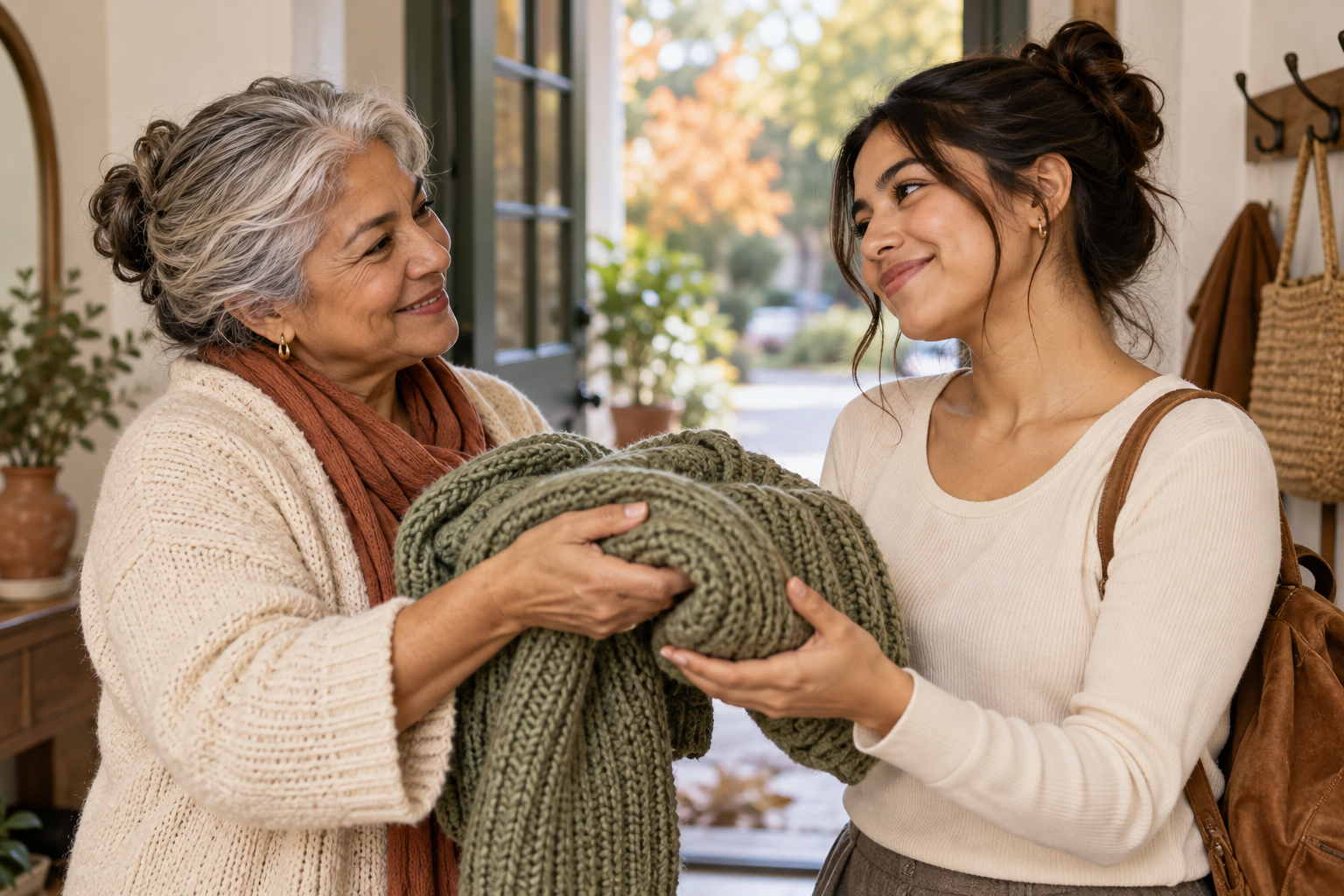


Dr. Abuela: 5 “curas milagrosas” that only Latinos swear by
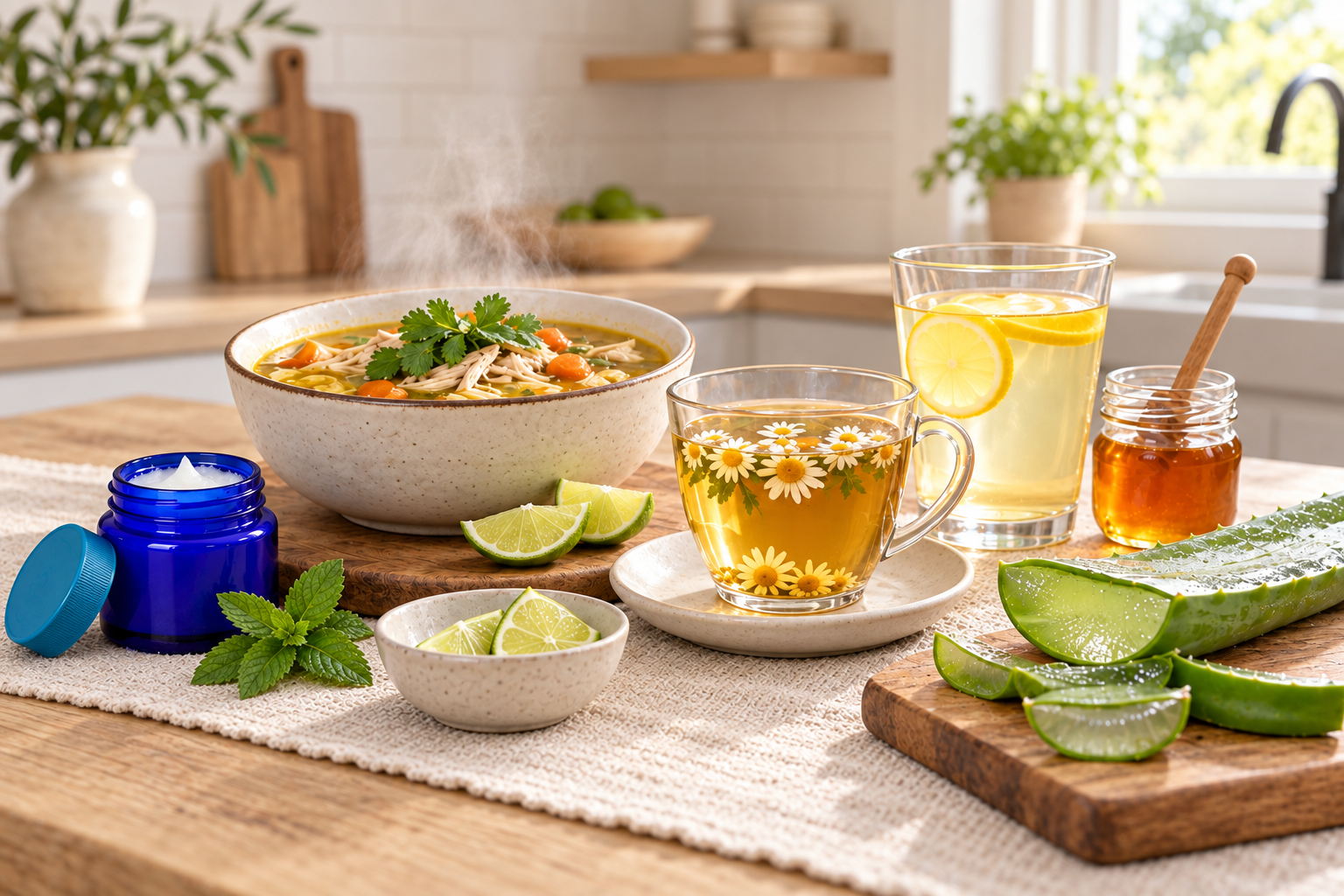
Before urgent care and telehealth many Latino families had Dr. Abuela.
Her medical credentials? Decades of experience, un sexto sentido, and a kitchen cabinet filled with remedies capable of treating almost anything.
From VapoRub to sopa de pollo, these five legendary cures remain part of our cultural medicine cabinet. But do they really work? Let’s separate abuela wisdom from medical science.
1. VapoRub: the unofficial Latino cure-all
¿Tienes tos? VapoRub.
¿Te duele la espalda? VapoRub.
¿Problemas de amor? Abuela might still suggest VapoRub.
The familiar combination of menthol, camphor and eucalyptus can temporarily suppress a cough when applied to the chest and throat. It may also provide temporary relief from minor muscle and joint pain.
However, it should only be used externally and according to the label, not inside the nose, mouth or on damaged skin.
Dr. Abuela’s diagnosis: If you can smell it from the next room, it’s working.
2. Sopa de pollo: medicine served in a bowl
For many Latinos, being sick automatically means someone is preparing caldo de pollo, with potatoes, carrots, cilantro, noodles or rice, depending on the family recipe.
Chicken soup cannot eliminate a virus, but warm liquids may soothe a sore throat, ease congestion and help keep you hydrated. The protein, vegetables and carbohydrates also provide nourishment when you do not feel like eating.
Of course, abuela insists the secret ingredient is cariño. Science has not disproved her.
Dr. Abuela’s diagnosis: One bowl for the cold, two bowls because estás muy flaco.
3. Té de manzanilla: calm down in a cup
Stomachache? Manzanilla.
Feeling anxious? Manzanilla.
Can’t sleep because you are replaying an argument from 2017? Manzanilla.
Chamomile has traditionally been used for relaxation, digestive discomfort and sleep.
Although it can feel soothing, research has not produced enough reliable evidence to confirm many of its supposed medical benefits. It may also interact with certain medications or trigger allergic reactions in people sensitive to related plants.
Dr. Abuela’s diagnosis: You don’t need melatonin, you need té, silencio y dejar el teléfono.
4. Miel con limón: the sweet solution for every cough
A warm cup of lemon water with honey is one of the few abuela remedies with some scientific support. Honey may reduce coughing and help adults and children older than one sleep more comfortably during an upper respiratory infection.
But honey should never be given to babies under 12 months because it can cause infant botulism.
Dr. Abuela’s diagnosis: If one spoonful helps, she will add three.
5. Sábila: the plant that lives in every abuela’s yard
Many Latino households keep an aloe vera plant ready for sunburns, irritated skin and minor kitchen mishaps.
The clear gel can feel cooling, and topical aloe is commonly promoted for burns and other skin conditions.
However, evidence varies depending on the condition, and aloe should not replace professional care for severe burns, infections or persistent skin problems. Drinking homemade aloe preparations can also cause side effects and may be unsafe.
Dr. Abuela’s diagnosis: Cut one penca and prepare to be sticky for the rest of the afternoon.
Final Vibras
These remedies may not be miraculous, but they carry generations of knowledge, comfort and care. Sometimes the real treatment was not the tea, soup or mysterious amount of VapoRub, it was knowing that someone was watching over you.
Enjoy Dr. Abuela’s wisdom responsibly, but remember: home remedies can ease minor symptoms; they cannot diagnose or cure serious conditions. Seek medical care when symptoms are severe, worsening or persistent.