



Telehealth or the Doctor’s Office? The Future is Hybrid
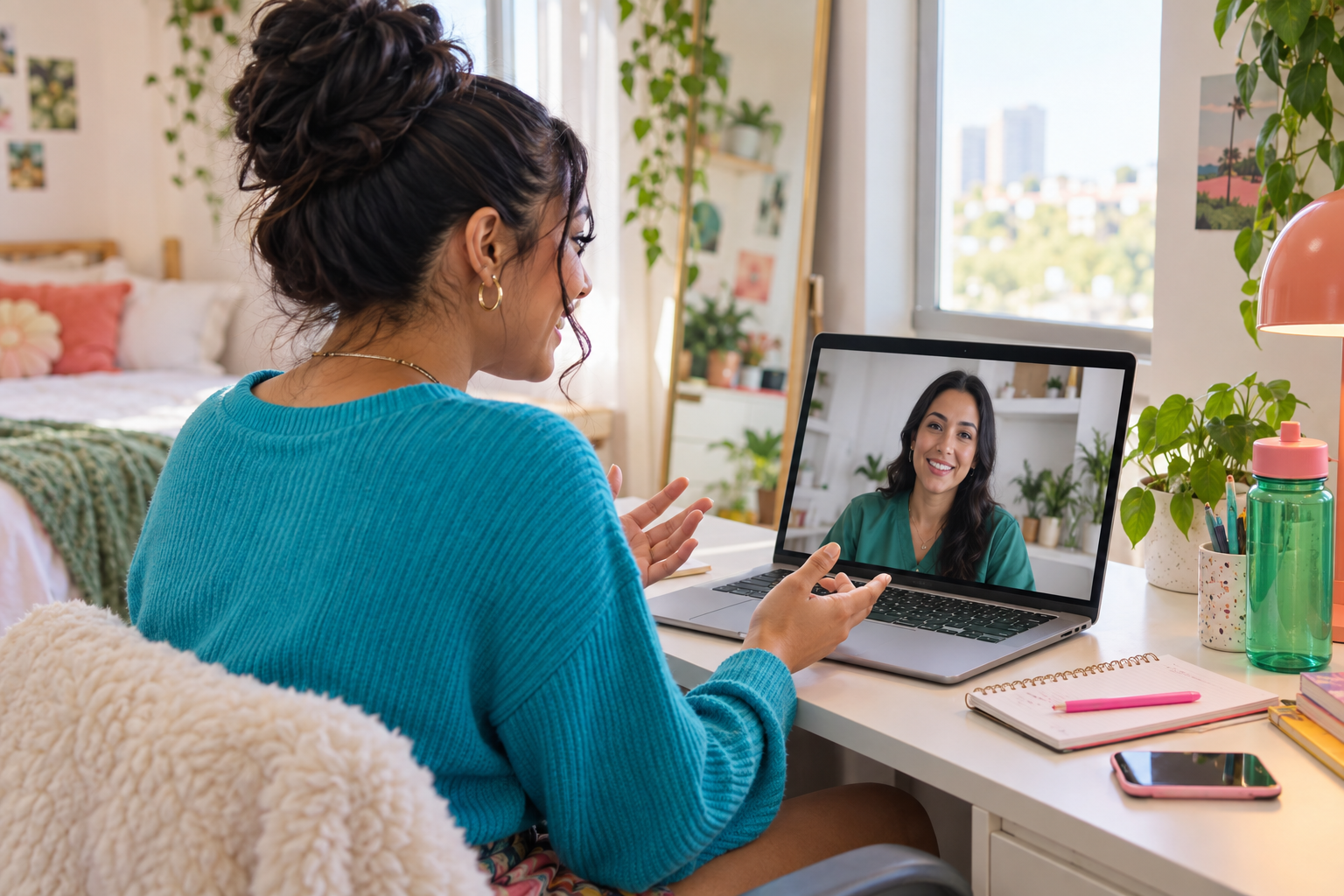
For Gen Z, seeing a healthcare provider no longer automatically means sitting in a waiting room under fluorescent lights while flipping through an ancient magazine. Increasingly, medical care begins where much of their daily life already happens: on a smartphone.
Telehealth allows patients to consult healthcare providers through video calls, phone appointments and secure messaging. It can also be used to share health information, monitor certain conditions and receive follow-up care remotely. (telehealth.hhs.gov)
Although Gen Z has not completely abandoned traditional doctor visits, virtual care fits many of the qualities this generation expects from modern services: speed, flexibility, accessibility and greater personal control.
1. Telehealth Fits Into Their Lives
Many young adults are balancing college, entry-level jobs, side hustles, caregiving responsibilities and unpredictable schedules. Taking several hours off for a short appointment may not feel realistic, especially for someone without paid time off.
With telehealth, a patient may be able to talk to a provider during a lunch break or between classes without commuting, parking or spending additional time in a waiting room.
The U.S. Department of Health and Human Services identifies convenience as one of telehealth’s primary benefits because patients can receive care without traveling or taking time away from work. (telehealth.hhs.gov)
2. Their Phone Is Already Their Comfort Zone
Gen Z grew up using technology to communicate, study, shop, bank and build relationships. Speaking with a healthcare professional through a screen can therefore feel less unusual than it may for older generations.
Digital scheduling, electronic forms and secure messaging also give patients more control over how and when they communicate. Instead of remembering every question during one rushed appointment, they may be able to review instructions or send a follow-up message through a patient portal.
Healthcare, in other words, begins to function more like the rest of their digital lives.
3. It Can Make Mental Healthcare Feel More Approachable
Mental health is one of the areas where virtual care may be especially appealing to young adults.
Beginning therapy can feel intimidating. Attending the first appointment from a familiar room may reduce some of the anxiety associated with entering a clinic, sitting in a waiting area or worrying about being recognized.
Telebehavioral health can also connect patients with professionals beyond their immediate communities, which may be particularly helpful in rural or underserved areas. The American Psychological Association notes that research supports the effectiveness of remotely delivered mental healthcare, while HHS describes behavioral telehealth as a way to expand access to services. (apa.org)
Virtual care does not eliminate every barrier, but it can make taking the first step feel more manageable.
4. Telehealth May Reduce Awkwardness and Judgment
Talking about sexual health, anxiety, depression, skin conditions or digestive problems can feel uncomfortable, especially for young adults who are still learning how to advocate for themselves.
For some patients, talking from home creates a sense of emotional distance that makes it easier to ask honest questions. They can also write their concerns down beforehand and keep notes during the appointment.
This may matter in Latino households where several generations live together or where subjects such as therapy, reproductive health and sexual health have historically carried stigma. However, privacy at home is not guaranteed. A virtual appointment only feels safer if the patient has a quiet, private place to speak freely.
5. It Can Help Overcome Transportation Barriers
Not every young adult owns a car. Others live far from a specialist, depend on public transportation or share a vehicle with relatives.
These challenges can be even greater for young Latinos living in rural areas, working multiple jobs or helping care for younger siblings and older family members.
A virtual visit can remove the need to coordinate transportation for concerns that do not require a physical examination.
Telehealth may therefore expand access, but only for patients with a reliable device and internet connection. Limited broadband, lack of privacy, language barriers and low digital or health literacy can still prevent people from receiving effective virtual care. (cdc.gov)
6. It Can Provide Answers More Quickly
When someone develops a rash, has cold symptoms or needs a medication follow-up, waiting weeks for an office appointment can be frustrating.
Some telehealth services provide same-day or on-demand consultations.
A provider can evaluate the symptoms, recommend appropriate next steps and determine whether the patient needs urgent or in-person care. HHS specifically identifies timely care and medical triage among the potential benefits of on-demand telehealth. (telehealth.hhs.gov)
That quick access can keep a manageable concern from being ignored simply because arranging an office visit feels overwhelming.
7. It Gives Patients More Choice
Telehealth can allow patients to search beyond the providers located closest to them. Depending on licensing rules and insurance coverage, they may be able to find a professional who better understands their identity, language or cultural background.
For Latino patients, that could mean locating a Spanish-speaking therapist or a provider familiar with the role that family, immigration experiences, religion and cultural expectations can play in health decisions.
Feeling understood matters. A convenient appointment is valuable, but culturally responsive care can help turn a single consultation into an ongoing relationship.
When Telehealth Isn’t Enough
Virtual care is useful, but it cannot replace every doctor’s visit. Patients may still need an in-person appointment for:
- A complete physical examination
- Bloodwork, imaging or diagnostic testing
- Vaccinations
- Certain reproductive health services
- Injuries that may require X-rays
- Symptoms that are severe, rapidly worsening or difficult to evaluate remotely
- Medical emergencies
Chest pain, serious breathing difficulty, signs of a stroke, severe bleeding or loss of consciousness require immediate emergency care, not a routine telehealth appointment.
Patients should also verify that the provider is licensed and that the platform appropriately protects their information.
Telehealth services offered by covered healthcare providers are generally subject to HIPAA privacy and security requirements. (telehealth.hhs.gov)
Final Vibras
The real story is not that Gen Z wants to eliminate the doctor’s office. It is that young adults expect healthcare to offer more than one doorway.
Telehealth works well for conversations, follow-ups, medication management and many mental health services. In-person care remains essential when a provider needs to examine the body, perform a procedure or run a test.
For Gen Z, the best healthcare experience may be a hybrid one: digital when it can be and in person when it needs to be. That is not avoiding healthcare. It is redesigning access around the way a new generation actually lives.