



Supplements Can Damage Your Health
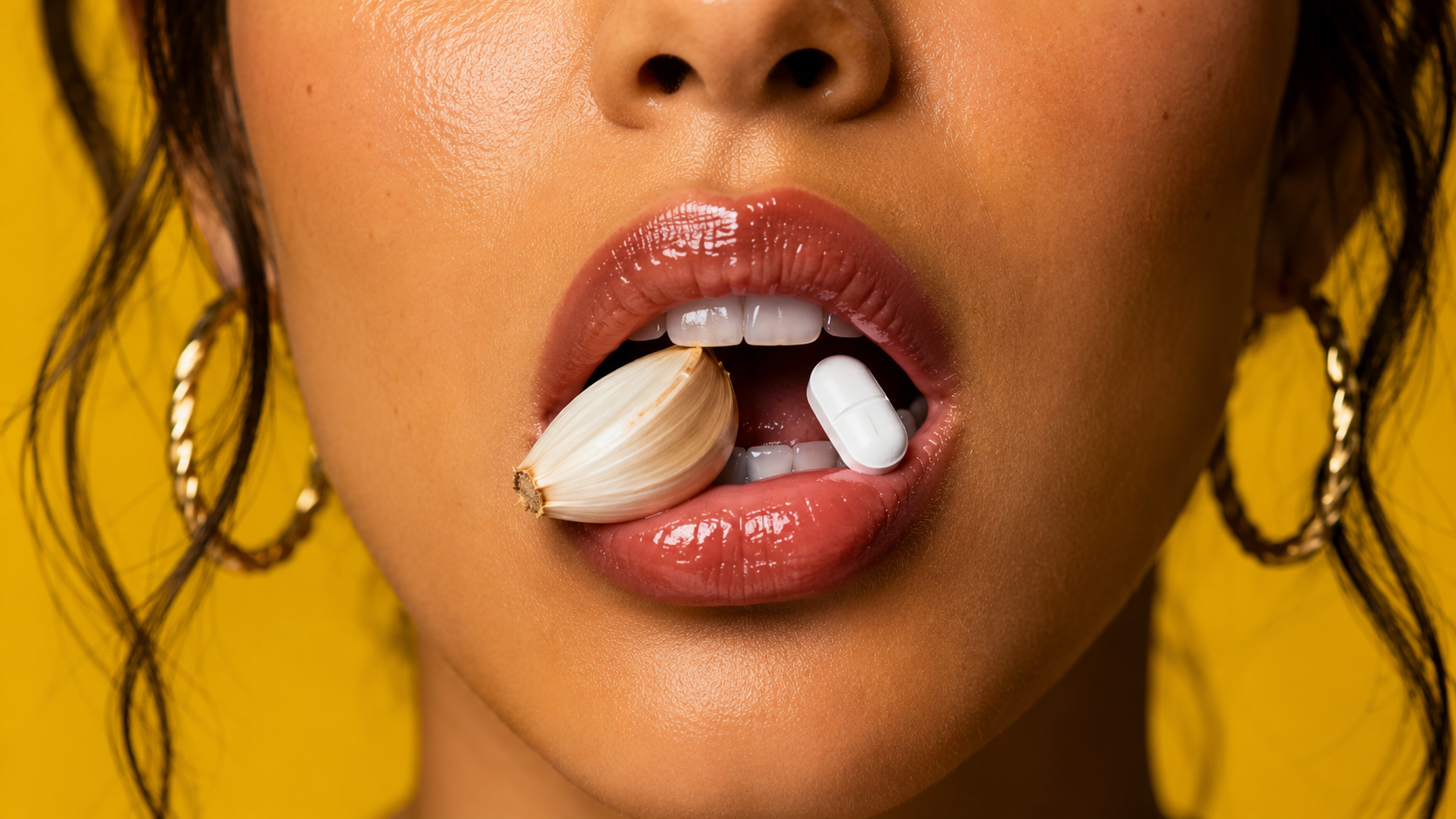
Latinos and remedios go together like cilantro and lime. But those supplements that you are taking could be impacting your health.
Many of us had a tía, abuela, or mamá share their go-to home remedy or supplement to help an ailment.
Not sharing these remedies with your doctor could harm you.
Garlic pills or drinking agua de jamaica by the gallon could impact the effects of the antibiotic you’ve been prescribed.
Permanente Medicine notes that something as simple as grapefruit juice can affect how well your prescriptions work. Withholding this information with your doctor could significantly impact your health.
Plants Or Pills? Use An Approach That Honors Both
The matriarchs of our families had traditional remedies that cured it all including herbs and oils. Anything to avoid the doctor or pharmacy.
These kinds of remedies aren’t just generational; they are cultural and tell the story of how our community learned to treat itself before the dawn of modern medicine.
For many, these kinds of home treatments were an answer to a socioeconomic problem some Latinxs experienced growing up.
However, younger generations are now experiencing the divide and living between two worlds.
They drink their cinnamon tea, Google their symptoms, think about their doctor’s recommendations and ask mamá what they should do.
This is a reflection of our cultural experiences: we are de aquí y de allá.
Mistrust And Shame Make It Hard To Share
Sharing what remedies you take with a medical professional can be tough for many Latinos due to mistrust of the medical system or even shame.
There’s a fear of judgment from the doctors who wouldn’t understand why our abuelas held a sort of religious reverence for té de jamaica.
Language and cultural barriers can make things even more difficult.
Many health conditions prevalent in Latino communities, like diabetes, high blood pressure, and mental health struggles, can go unnoticed or worsen if symptoms, habits, or concerns aren’t fully shared.
Trusting the process and speaking honestly is one of the most powerful steps we can take to protect our health.
It is crucial to be transparent with your doctors. If there isn’t a level of trust, it may be time to interview a new physician.
Bad Interactions Can Land You In The Emergency Room
Yale New Haven Health cites a study that found the “adverse effects of supplements were responsible for an average of about 23,000 emergency department visits per year.” That’s no small number.
“A number of supplements can enhance, diminish, or negate a prescription drug in ways that can be consequential and unpredictable,” said Brittany Langdon, PharmD.
“Many supplements can contain ineffective or harmful ingredients, especially if combined with prescription drugs,” she said.
She explained how the supplements and home remedies we take can affect the absorption, distribution, metabolism, and excretion of the medication. Not speaking up can harm someone’s health and also drive up medical costs overall.
Another factor to consider is that some supplements may not be regulated by the FDA.
The Federal Food, Drug, and Cosmetic Act notes that the FDA “does not have the authority” to review the safety or efficacy of any dietary supplement.
In other words, the companies that oversee how well something works are the ones that sell those products and make them available to the public, not the government.
Bring Your Remedy To The Doctor’s Office
Sometimes all you need is a small conversation starter. It can be as simple as bringing the supplement or tea you are drinking to your next appointment.
This way, it’s easier for your physician to see what ingredients are actually in whatever you are taking.
Once you’ve opened up this avenue of communication, your doctor can also help you navigate the supplements aisle as well as the remedios your family has passed down.
SOURCES:
– “Four Reasons You Should Tell Your Doctor About Supplement Intake.”– Permanente Medicine.
– “Taking Your Vitamins? Make Sure To Tell Your Doctor.”– Yale New Haven Health.
– “Santos Remedios: How Mexican Immigrants Use Authoritative Healing Knowledge to Survive Migration.”– Culture, Medicine and Psychiatry Journal.