



When They Go Low, We Go High
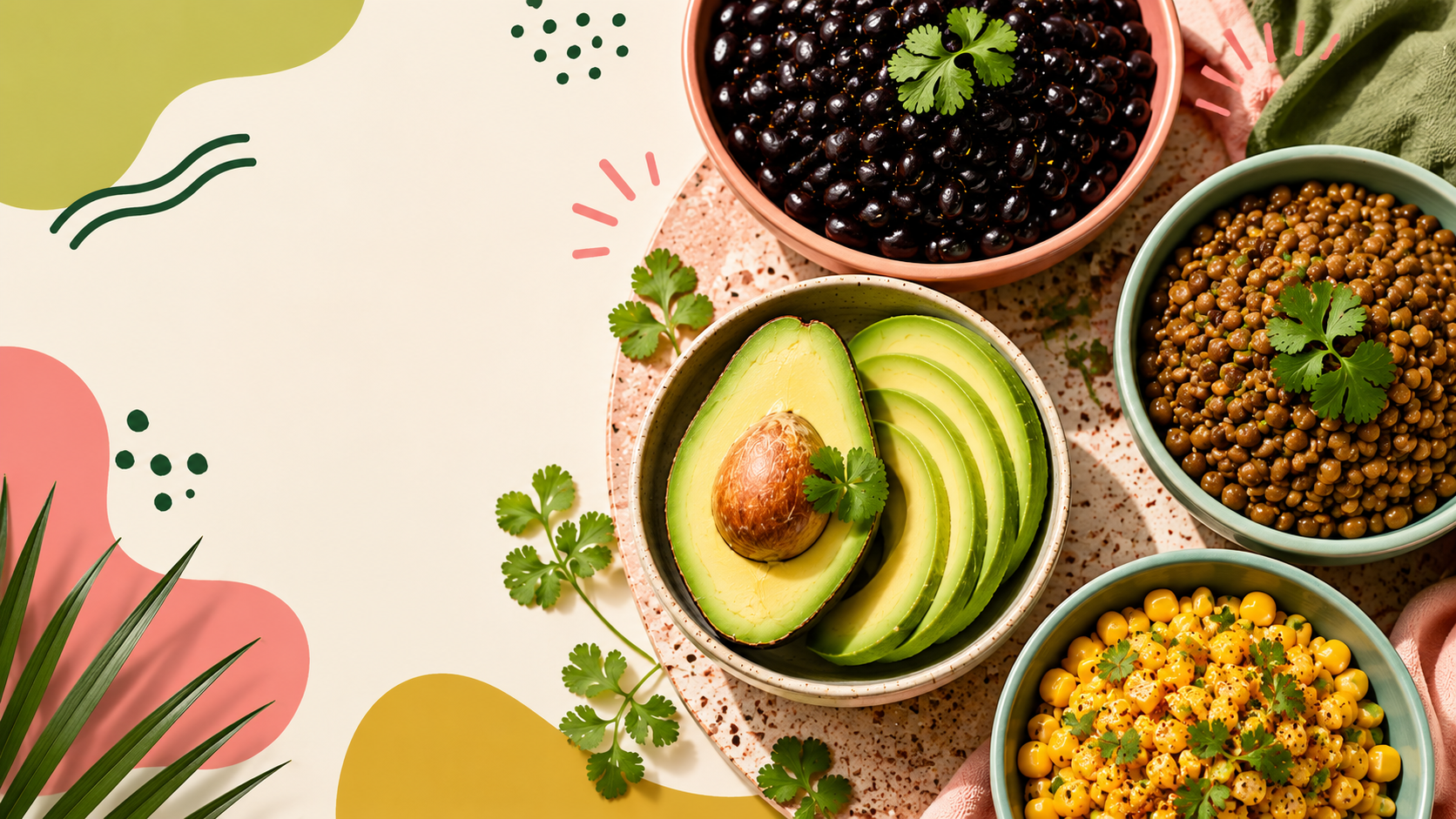
Latinos traditionally consume more fiber than other U.S. demographic.
In today’s world, where wellness and nutrition have become commercialized, younger generations are abandoning our traditional food for diet trends.
Diet So Humble, Yet So Rich
Our cultural foods hold magic. They carry a rich history that has been passed down for centuries.
Our recetas have humble, yet fiber rich ingredients.
We are constantly being told to watch our carb instake. That move is not always healthy.
When it comes to quick diet trends, many fiber-rich foods are often excluded, causing constipation and other gastrointestinal discomfort.
Dalina Soto, a Dominican-American registered dietitian, told Healthy Vibras, “Constipation is a big issue, but the lack of fiber is deeper than that.”
While it’s understood that fiber helps maintain a healthy gut, it affects many functions in our bodies.
Fiber Does More Than Help Your Gut
Fiber does more than help you bowel movements, it boosts the entire body.
It helps the body manage weight, reduces the risk of diabetes, and lowers the chances of heart disease.
It is also more accessible than you think.
Foods rich in fiber include:
- Legumes like lentils, beans and peanuts.
- Fruits like avocado, banana, pear, oranges and mango.
- Vegetables like yuka, cabagge and carrots.
- Whole grains like rice and corn.
All Fibers Are Not Created Equal
There are two kinds of fiber: soluble and insoluble.
Insoluble fiber isn’t broken down by water, something that adds bulk to bowel movements and fights constipation. On the other hand./
Soluble fiber absorbs water and can help lower cholesterol and regulate blood sugar levels.
Fiber helps maintain our hearts healthy, which is beneficial for cardiovascular disease and blood pressure.
Your blood sugar is also taken care of, so the risk of developing diabetes (a condition that affects over half of Latinxs) is reduced.
“I see rising rates of diabetes and high cholesterol, both of which are impacted by fiber intake. Fiber slows down how sugar enters your bloodstream and helps trap cholesterol in the gut,” the founder of Your Latina Nutrition continued.
Wellness Culture Cancels Nutrition
Oftentimes, wellness is marketed as a one-size-fits-all pair of jeans. While it looks great on some, it won’t work on everybody. Nutrition should be a custom-tailored outfit created especially for your uniqueness.
What you put in your body matters, and if you cut something out without fully understanding the science behind it, your body can suffer in the long term.
“When you cut carbs too low, you’re cutting fiber. That means poor gut health, irregular digestion, and even mood swings because your gut and brain are connected. Hormones also rely on stable blood sugar and healthy digestion, both of which fiber supports,” Soto said.
She notes that feeling bloated, tired, and constipated while consuming a “high-protein diet,” usually means to intake is not enough.
“Protein is great, but fiber is essential as well. It keeps your digestion regular, supports stable blood sugars, feeds your gut bacteria, and helps lower cholesterol,” Soto said.
“Young adults are often bamboozled by gym bro culture on socials to only think of protein. But gut health is so important. That’s what’s going to keep your body functioning long-term,” she said.
Eat Our Culture, It’s Full Of It
Adding more fiber to your diet not only benefits your health; it can be a way of reclaiming your cultural heritage.
Numerous traditional dishes within Latin culture are rich in fiber and steeped in centuries of ancestral knowledge.
“Our traditional recipes are packed with fiber-rich foods like beans, plantains, and corn,” Soto said.
Swaps That Keep It Real
A few simple swaps will work wonders on your body’s overall health.
Have a thing for soup? Add a handful of spinach or lentils.
Craving tacos? Swap flour tortillas for corn tortillas and add veggies.
“Bring back the beans. A scoop of lentejas or habichuelas goes a long way. Keep fruit on the table: Papaya, mango, guava…”
Let’s go high, always high on fiber.
SOURCES:
– “Soluble fiber: What it is and why you need it.”– UCLA Health.
– “Dietary fiber: Essential for a healthy diet.”– Mayo Clinic.
– “Closing America’s Fiber Intake Gap.”– American College of Lifestyle Medicine.
– “Over time, racial and ethnic gaps in dietary fiber consumption per 1,000 calories have widened.”– USDA.
– “Gut microbiome composition in the Hispanic Community Health Study/Study of Latinos is shaped by geographic relocation, environmental factors, and obesity.”– Genome Biology.