




10 Health Screenings Every Latino Man Should Get Before Turning 40

Latino men in their 20s and 30s often think they’re invincible—working hard, taking care of family, and building their futures. But while you’re busy showing up for everyone else, it’s easy to overlook the one thing that makes all of that possible: your health.
The reality is, serious health conditions like diabetes, liver disease, colorectal cancer, and heart problems are no longer just concerns for older adults. They’re showing up earlier—and hitting Latinos harder than most. That’s why early detection matters.
Preventive care isn’t about fear—it’s about having a game plan. Here’s a breakdown of the screenings every Latino man should be getting before 40 to make sure you live a long, healthy life.
1. Blood Pressure Screening
When: At least once every 2 years, starting at age 18.
Why it matters: High blood pressure (hypertension) often shows no symptoms but is a major risk factor for heart disease and stroke—both of which disproportionately affect Latinos. Mexican‐Americans have the largest percentage (41%) of patients unaware of their hypertension compared with 27% of non‐Hispanic blacks and 31% of non‐Hispanic whites.
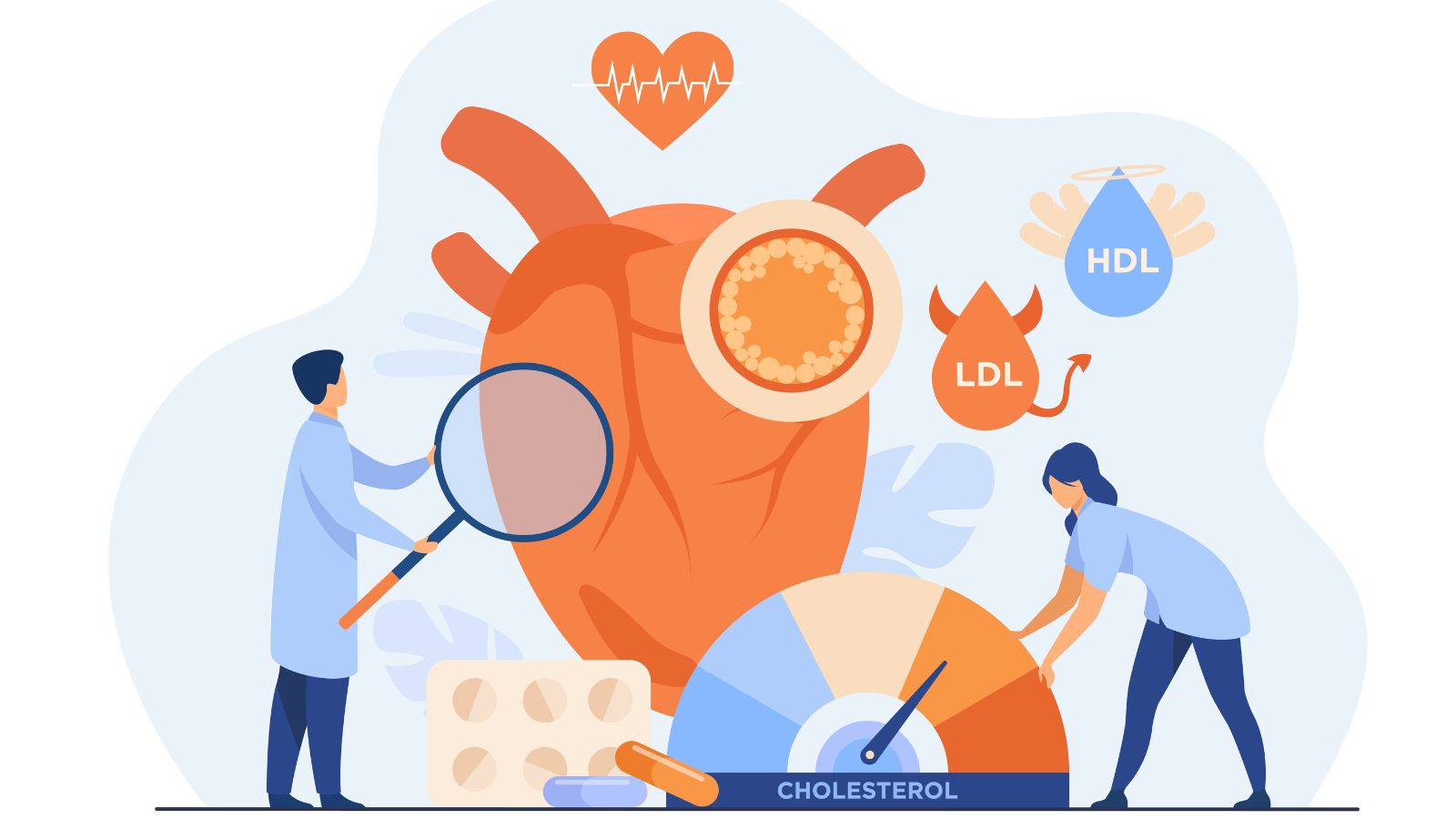
2. Cholesterol Test
When: Begin screening at age 20 if you have risk factors like obesity, diabetes, or a family history. Otherwise, by 35.
Why it matters: According to a recent study, almost 50% of Mexican men and women older than 20 years have a total cholesterol level greater than 200 mg/dL which is considered high.
3. Type 2 Diabetes Screening
When: Start screening at age 35—or earlier if you’re overweight or have family history.
Why it matters: Latinos are 70% more likely to be diagnosed with diabetes than non-Hispanic whites, and it’s appearing at younger ages.
4. Liver Function Tests (for NAFLD and Hepatitis)
When: Discuss with your doctor immediately if you have risk factors—such as obesity, heavy alcohol use, or family history.
Why it matters: Non-alcoholic fatty liver disease (NAFLD) is rising quickly among Latinos, and it can lead to cirrhosis and liver cancer. Overall, 1 in 5 people with liver cancer in the United States are Latino, with a 4.7% increase since 2000.
5. Colorectal Cancer Screening
When: If you have a family history, start screening by 30. Otherwise, start at 45—but bring it up early.
Why it matters: Colorectal cancer cases are increasing among Latinos under 50. Unfortunately, these younger people are not often diagnosed until the cancer is advanced, making it harder to treat. Early detection is key.
6. Testicular Cancer Self-Check
When: Monthly, starting in your 20s.
Why it matters: Testicular cancer is the most common cancer in men aged 20-35. It’s highly treatable if caught early. However, the rate of increase has been the highest among Latinos.
7. Mental Health Screening
When: Annually or as needed, especially during life transitions.
Why it matters: Latino men are less likely to seek mental health care but are more likely to experience symptoms of stress and depression. Untreated mental illness can affect every part of your life and lead to serious diseases like heart disease and high blood pressure which are top killers among Latinos.
8. Sexual Health & STI Screenings
When: At least once a year if you’re sexually active.
Why it matters: Rates of syphilis, HIV, and other STIs are rising among Latino men. In fact, Latinos have the third highest rates for STDs including chlamydia, gonorrhea, and syphilis. Early detection protects you and your partners.
9. BMI & Waist Circumference
When: At every annual check-up.
Why it matters: Being overweight—especially around the waist—raises your risk for diabetes, heart disease, and some cancers which are disproportionately affecting Latinos.
10. Dental Check-Ups
When: Every 6 months.
Why it matters: Oral health is linked to heart health and diabetes. Latinos are more likely to experience gum disease and tooth loss due to lack of care. In fact, Latinos experience the highest rates of periodontal disease with 63.5% of the population experiencing some level of the disease.
Finding a doctor who makes you feel seen is just as important as the screenings themselves.
Here’s a quick guide if you don’t know where to start:
- Look for Latino providers using directories like Zocdoc or even Yelp.
- Ask for referrals from family, friends, or community health clinics.
- Don’t be afraid to switch doctors if you feel unheard. Your health is too important to settle.
Being proactive about your health isn’t a sign of weakness—it’s an act of self-respect. Latino men are leaders, providers, protectors—but it’s also a sign of strength to be vulnerable and ask for help.
Get screened. Get strong. Stay healthy.