




How Being ‘The Strong One’ Is Linking Latinx To Heart Disease

Latinxs know how to survive. We learned to push through with an immense amount of resilience. Generations of Latinxs were told not to complain, cry, or share our struggles because we’re meant to tough it out. That silence, the one that taught us to hold everything in, was always celebrated. But what happens when we hold in the stress, overwhelm, and repress our emotions? Our immune system suffers.
Studies suggest that “when the body remains in a prolonged state of stress” due to repressed emotions, the body’s inflammatory response becomes overactive and disrupts the nervous system’s regulation. The body keeps score of all the suppressed stressors and instead of sending its disease blockers to foreign bacteria, the body begins to attack itself.
The mind-body connection has a significant impact and can have a lasting effect on your health.
When you live in a constant state of stress, whether physical, psychological, or emotional, the ‘fight or flight’ response can easily be triggered and activated to a standby mode. The body’s adrenal glands dispense adrenaline, which in turn leads to an elevated pulse and breathing rate. Staying in a state of fight or flight could lead to a chronic disease or an autoimmune disease like rheumatoid arthritis, multiple sclerosis, inflammatory bowel disease, systemic lupus erythematosus, Graves’ disease, type 1 diabetes, and psoriasis.
The Global Autoimmune Institute explains how stress can be a trigger for autoimmune diseases and also make them worse. The institute details how up to 80% of patients who participated in a study noted that they experienced “uncommon emotional stress” prior to the “onset of disease.” Researchers have found that not only does stress contribute to disease, but disease also contributes to stress.
April Mayorga, a licensed marriage and family therapist, tells Healthy Vibras,
“One saying we have in the mental health world is ‘what gets repressed, gets expressed.’’
“Stress releases cortisol into the body (the stress hormone). Stress causes inflammation in the body, muscle tension, pain, and if excessive amounts go untreated, it can lead to disease within the body,” she continues.
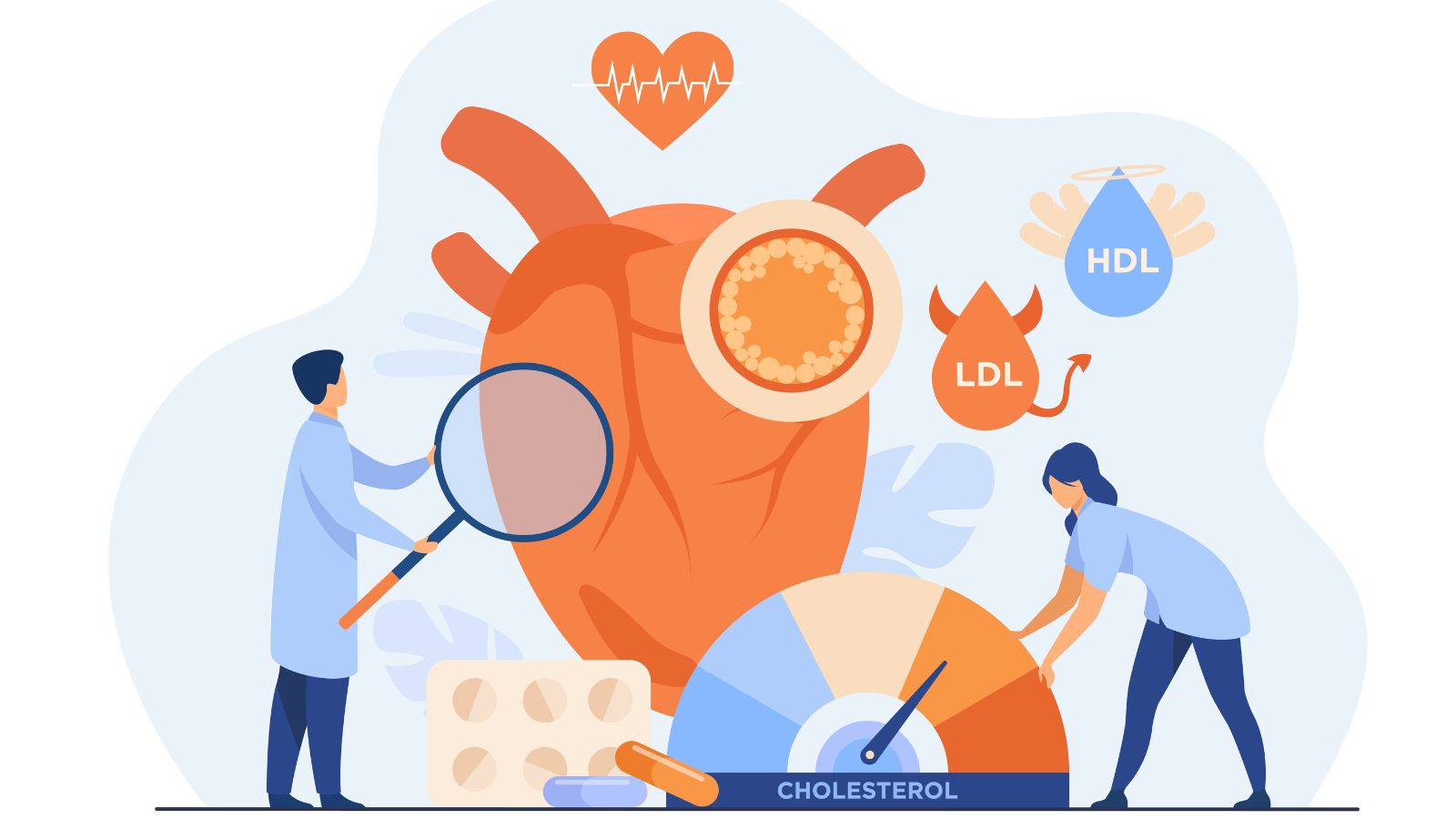
The Mexican-American therapist adds, “Stress has been particularly linked to heart disease, digestive issues, and mental health disorders such as major depressive disorder and generalized anxiety disorder.” When you look at data and studies, you begin to notice the correlation between the diseases that are affecting Latinx communities. Currently, heart disease reigns as the leading cause of death for Latinx in the United States.
Latinxs are taught to be strong, but at what cost?
Staying silent is part of the survival mechanisms people had to learn to get ahead. For many, being emotional or speaking up about how you were feeling wasn’t only considered uncomfortable, but it was also deemed unnecessary.
Mayorga assesses, “In communities that value ‘being strong,’ individuals might view strength as lacking emotional challenges or consistently being ‘put together.’ Individuals might be characterized as ‘the strong one,’ a virtue many seek to uphold.”
The strength our community loves to praise is usually measured by how put together they are and how well they can hold it all in. If you complain, you’re seen as ungrateful and lacking consideration for people who had it worse than you.
“Traditionally, when one family member demonstrates emotions (usually sadness, anger, distress), they are labeled as weak, ’emotional,’ or ‘sensitive.’ These labels lead to shame and isolation,” Mayorga asserts.
Latinxs were, and in some cases still are raised to carry it all, not waste time crying. If you had time to cry, you had time to get work done. Everyone deserves the right to feel and not have to bottle up their grief, anxiety, or burnout.
“My advice is to find a selected person, group, or space that feels comforting enough to share their experience. Not everyone will understand how to process emotions; however, there might be a select few individuals who share the same life experience, and relating to someone provides healing in itself,” Mayorga recommends.
When stress has no outlet, it turns inward and then begins to manifest in various ways throughout the body. Latinxs are taught to be strong, but not how to process the pain they feel. This forces them to carry those emotions deep down, silencing them. The problem with that is that if they don’t speak up, their body will do it for them.
In turn, try to build a group of supportive friends who create space for you to vent and share your feelings. This circle of friends will lead to a healthier, happier heart.